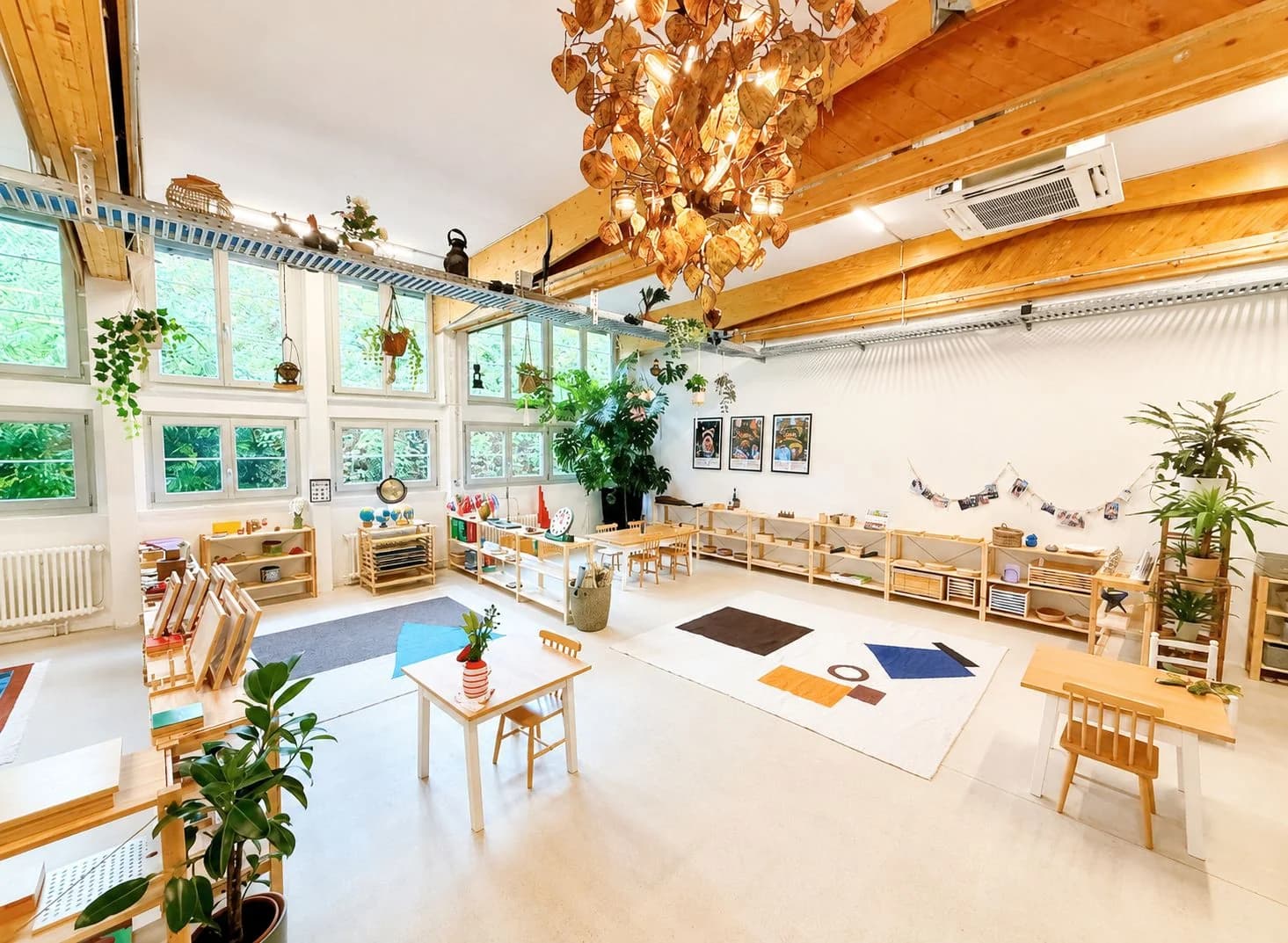
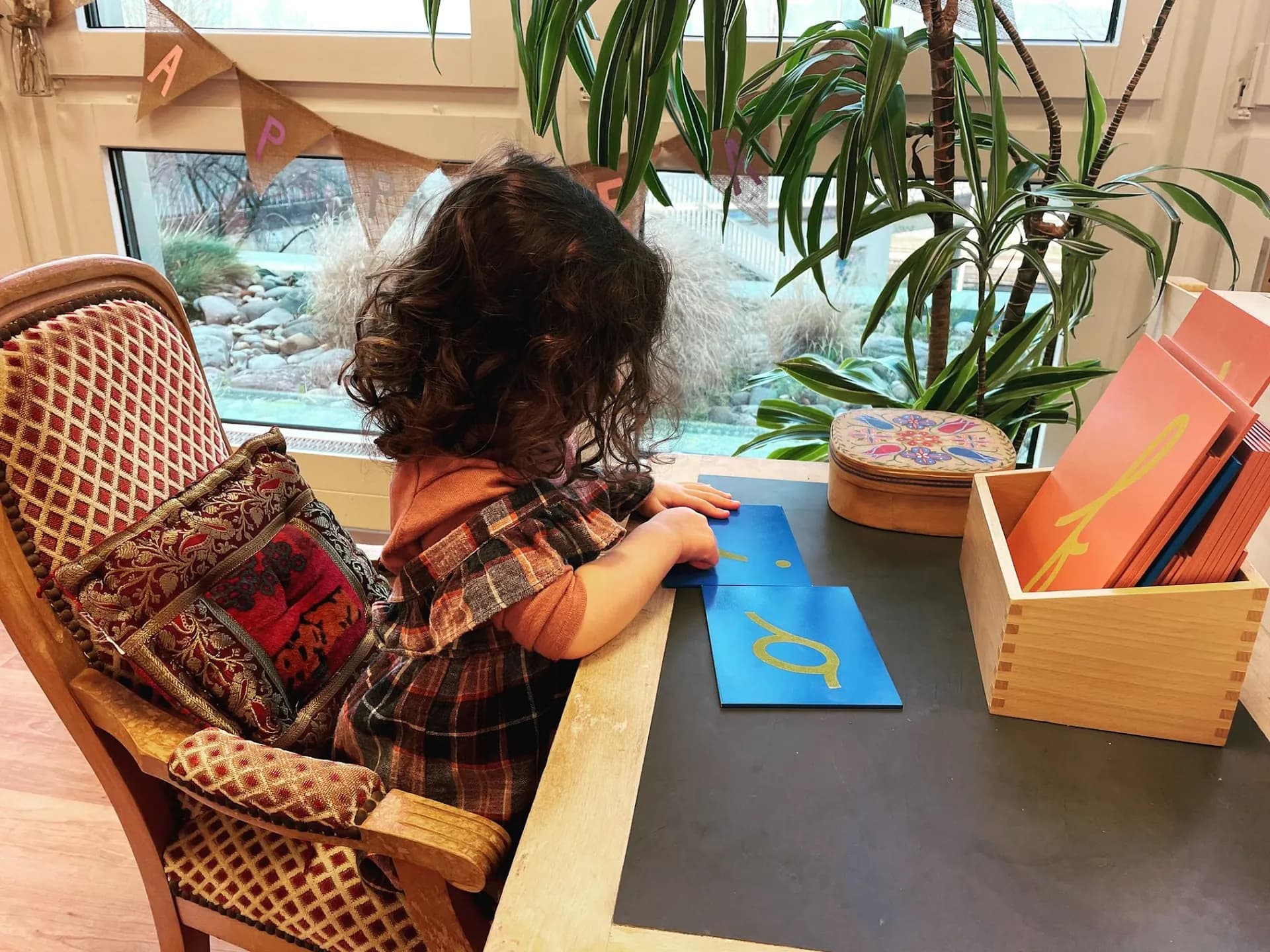
Every room, shelf, and material in our school is a carefully prepared environment — designed so children can learn independently, with purpose and joy.
Children take charge of their own learning journey. Our environments are not just classrooms — they are living spaces where curiosity is nurtured, independence is built, and every child finds their own path to discovery.
By nurturing a carefully prepared environment, we create the conditions for children to develop deep concentration, self-discipline, and a genuine love of learning. Every material has a purpose, every space invites exploration.
We follow the child's lead, observing their interests and developmental needs, then preparing the environment to meet them exactly where they are. This is the heart of the Montessori approach.
Three Pillars
How Trinity Is Different
Trinity rests on three pillars — every child grows where pedagogy, creativity, and the natural world meet.
Pillar 1
Montessori Pedagogy
The Montessori method nurtures each child's natural curiosity, independence, and love of learning through hands-on experiences in a carefully prepared environment. Guided by trained educators, children learn at their own pace, developing confidence, concentration, creativity, and real-world skills. Rooted in respect for the child, Montessori education supports not only academic excellence, but also emotional intelligence, responsibility, and a lifelong joy of discovery.
Following Dr. Maria Montessori — AMI accredited teachers.
Pillar 2
Art Curriculum
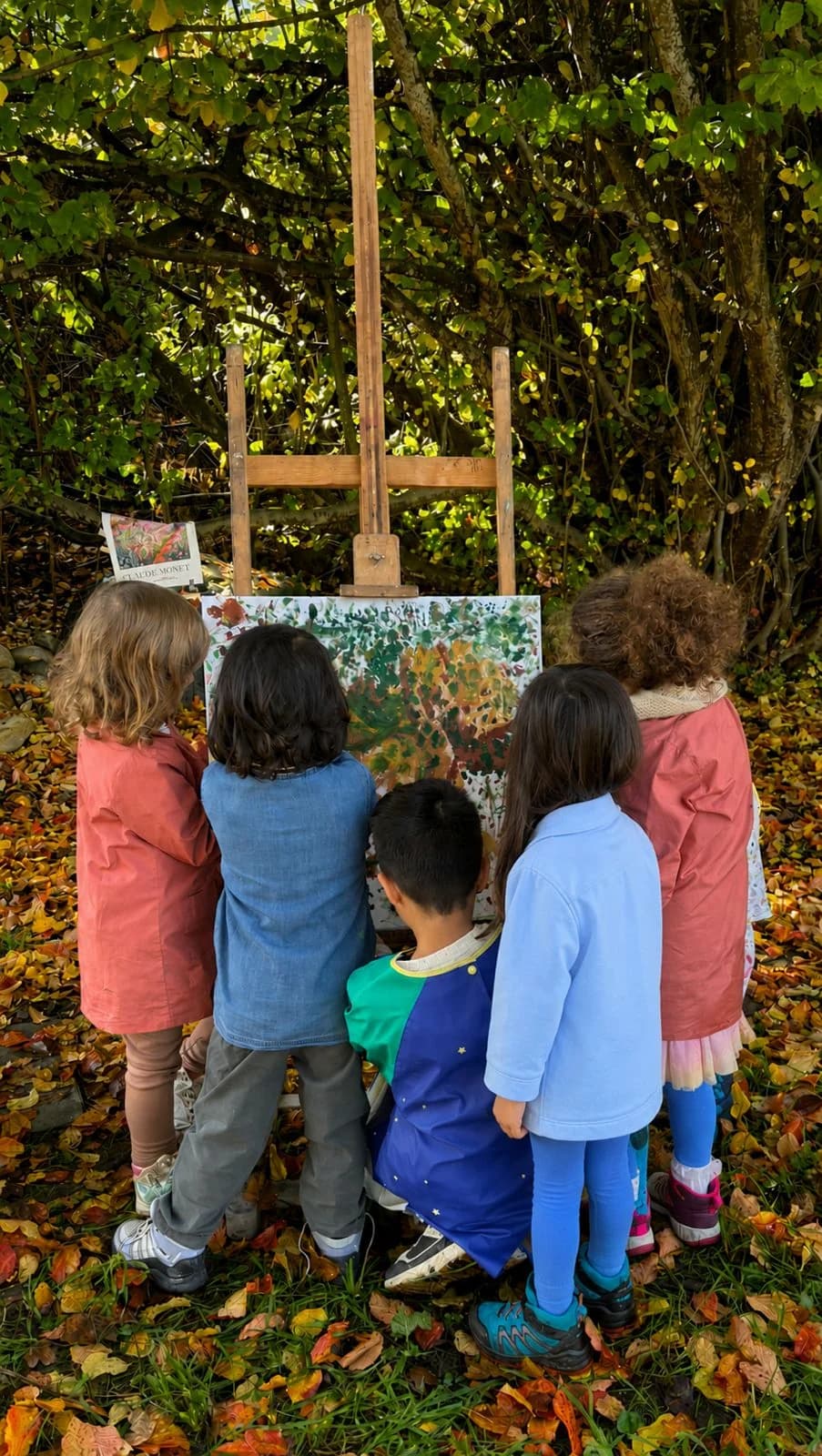
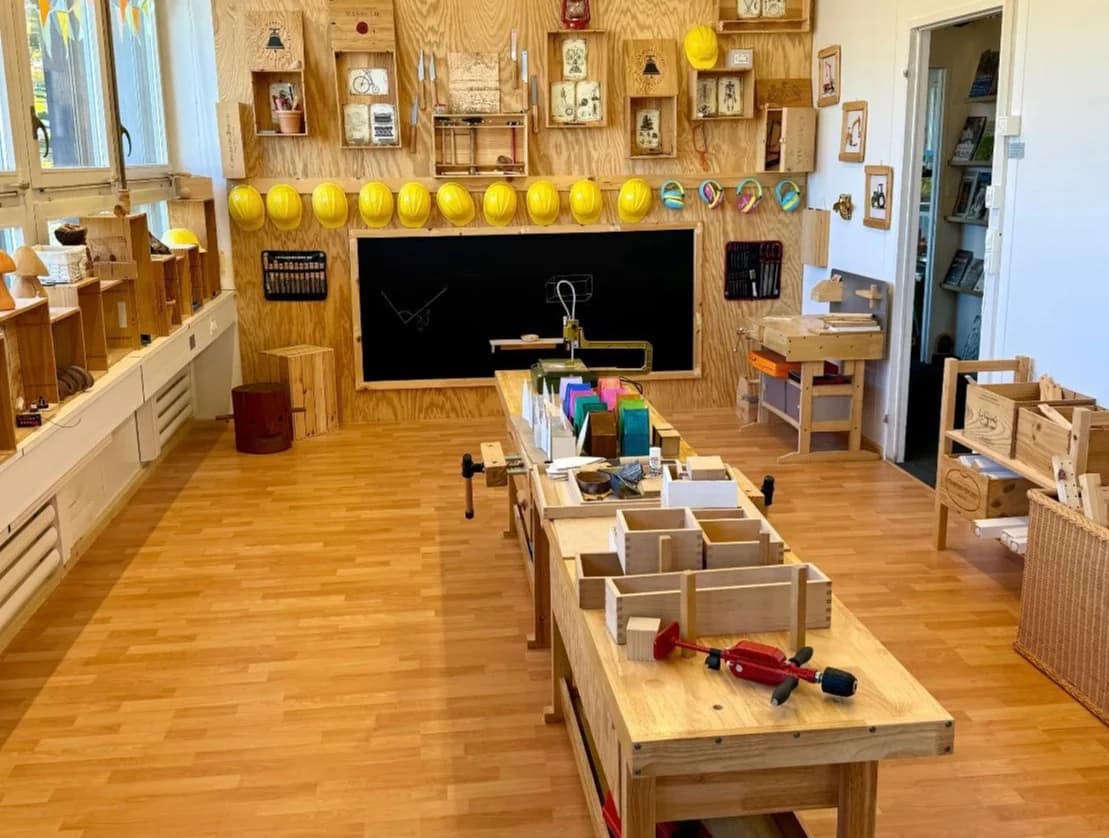
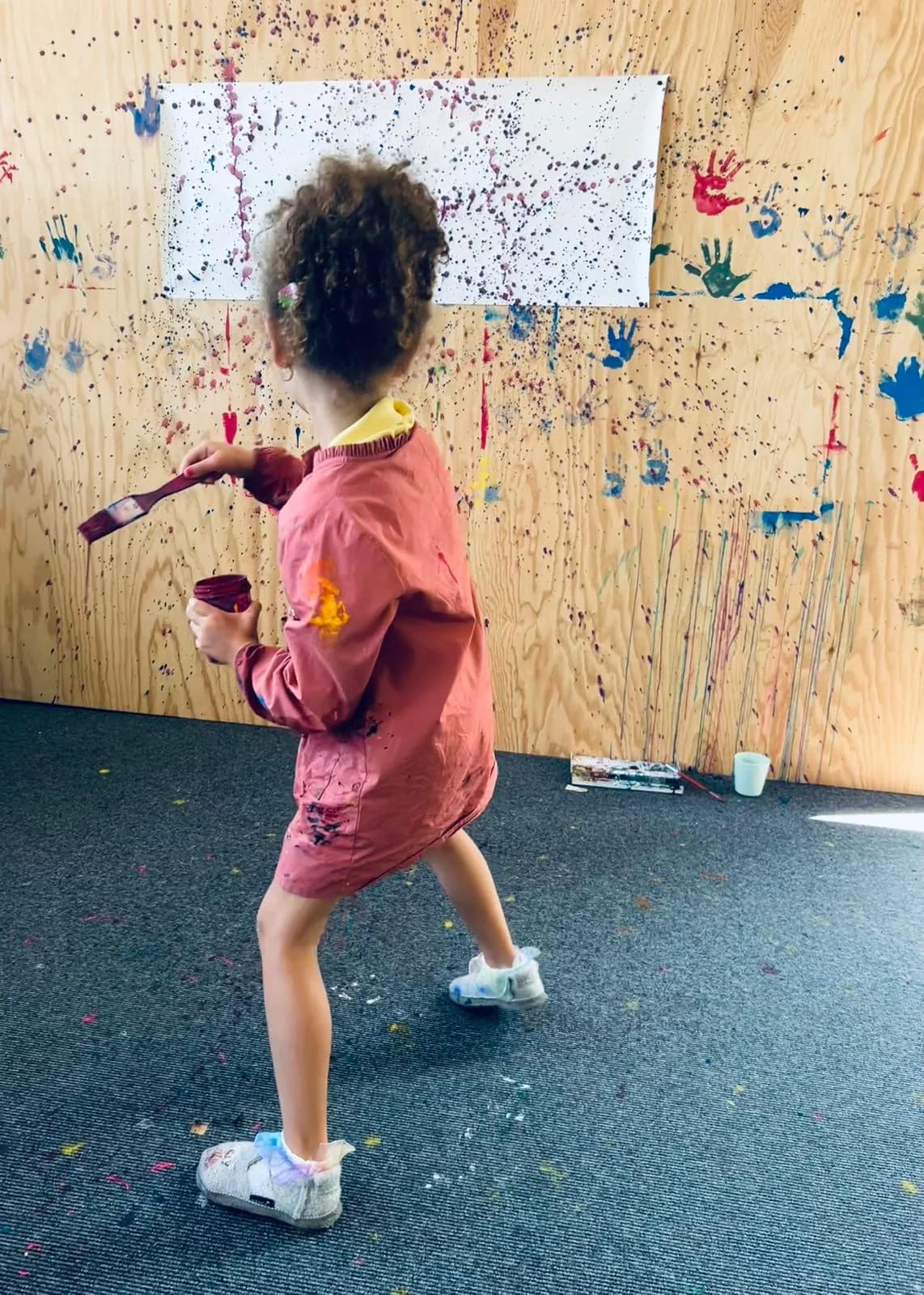
A dedicated art studio with pottery, woodworking, a music room, and open-ended project space invites children into deep creative exploration. Every two months, children study an artist — their biography, country, and culture — and create original works inspired by them, connecting art with history, geography, storytelling, and music.
Inspired by Arno Stern's child-led, non-evaluative approach.
Pillar 3
Forest & Nature
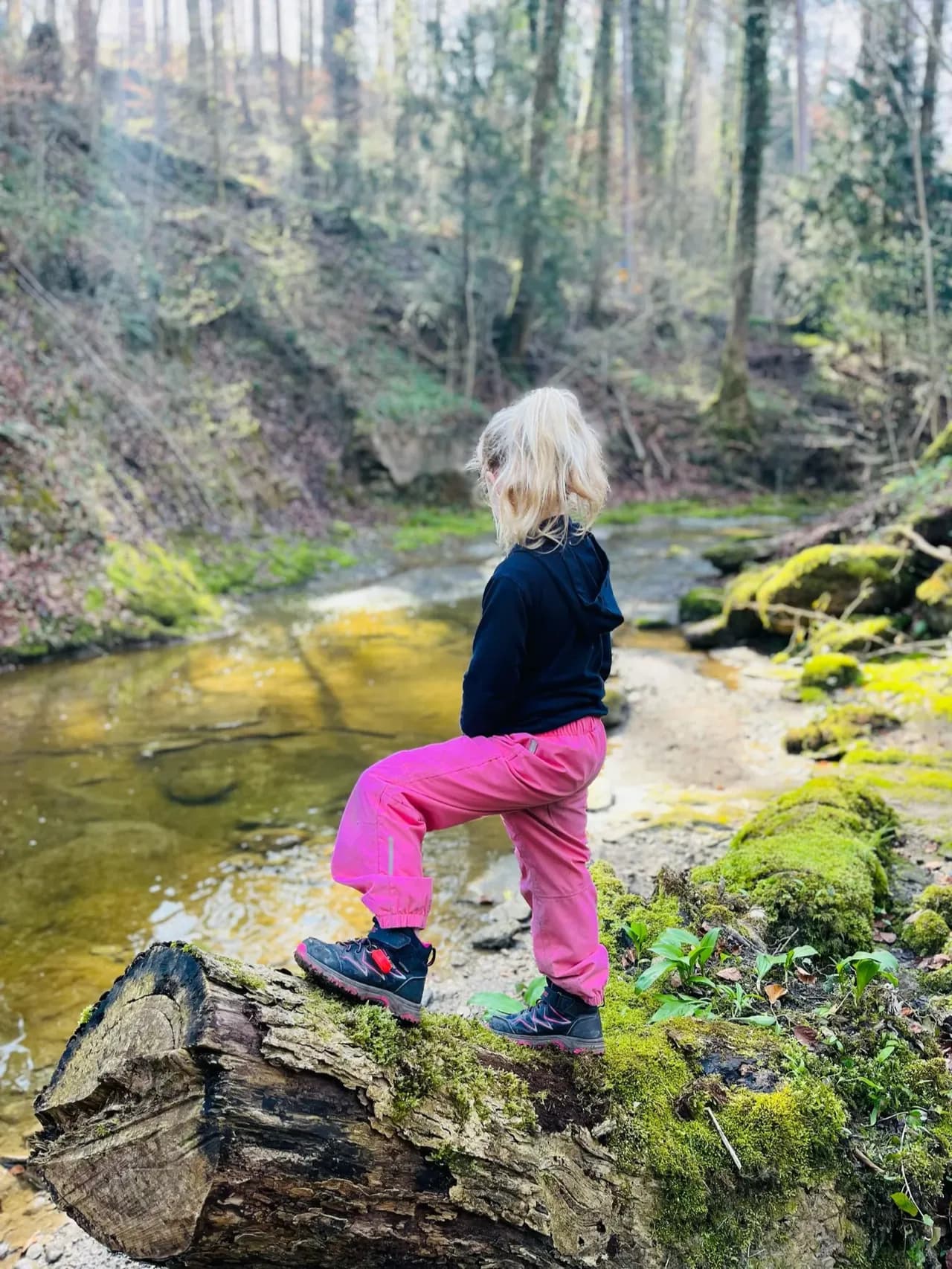
Half of every fortnight is spent outdoors: forest excursions, vegetable gardens, rope climbing, cooking over an open fire, collecting and scavenging natural materials, building tree houses, and setting up tents to create sheltered outdoor classrooms. Children learn through adventure, exploration, and the rhythm of the seasons — not from a screen.
Built on Joseph Cornell's nature pedagogy.
Deeper Exploration
Elementary Program (Ages 6–9) — Learning with Purpose and Curiosity
Our Elementary program for children aged 6 to 9 follows the educational philosophy of Dr. Maria Montessori and the standards of the Association Montessori Internationale (AMI). At this stage, children are curious, imaginative, and eager to understand how the world works. Our program nurtures this natural drive through meaningful academic learning, collaboration, and real-world experiences, all aligned with the Swiss Lehrplan 21 curriculum (L21) to ensure continuity with national educational standards.
Inspired by the Great Lessons
Learning begins with the Great Lessons — powerful stories about the universe, life, humans, language, and mathematics. These lessons spark imagination and curiosity, encouraging children to ask questions, explore big ideas, and see connections across subjects. They provide the foundation for research, creativity, and a lifelong love of learning.
Strong Academics Through Exploration
Academic learning in the Elementary classroom is both rigorous and engaging. Children work individually and in small groups, progressing at their own pace while developing strong skills in reading and writing, mathematics and problem-solving, science and discovery, geography and history, and research and presentation.
Project-Based Learning and Teamwork
Project-based learning is a central part of the Elementary experience. Children investigate topics, often working collaboratively with peers. They learn how to plan, research, experiment, and present their ideas — building independence, responsibility, and strong communication skills.
Learning Beyond the Classroom
Education in the Elementary program extends into the real world. Children participate in excursions, outdoor learning, and community experiences that connect academic knowledge to everyday life. These opportunities encourage independence, curiosity, and a sense of responsibility toward the environment and society.
Timelines and Big Picture Thinking
Timelines help children understand the story of the universe, the development of life, and the history of human civilization. By exploring these connections, children gain perspective, develop critical thinking skills, and recognize their place in the world.
Growing Independence and Responsibility
Our Elementary classroom is a supportive community where children learn to manage their time, make decisions, and take responsibility for their work and their environment. With guidance from trained Montessori educators, they develop confidence, resilience, and a strong sense of purpose. The result is a learning experience that combines academic excellence, curiosity, collaboration, and real-life understanding — preparing children not only for the next stage of school but also for life.
Creative Expression
The Art Studio
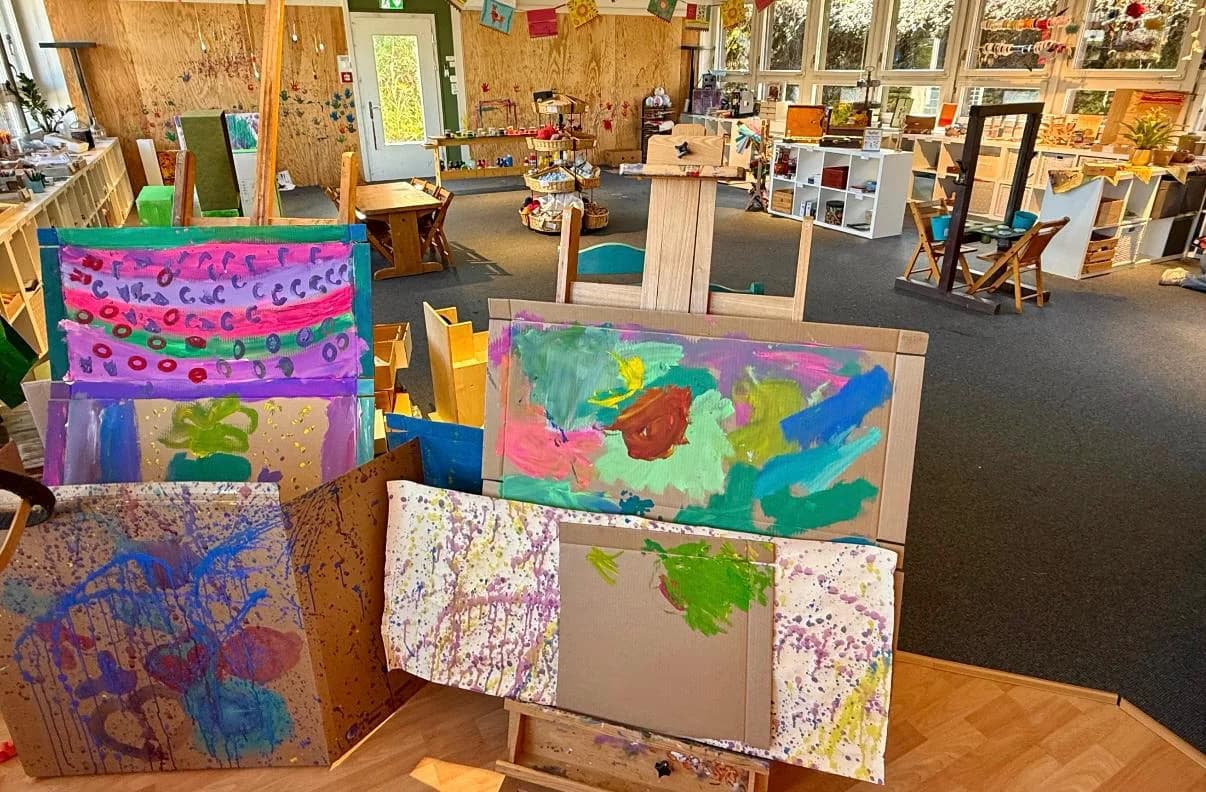
Our interdisciplinary art studio offers children daily opportunities for both guided and independent creative work across a variety of artistic areas. Rooted in the understanding that children construct knowledge through hands-on exploration, the environment is designed to support process-based learning, where experimentation, repetition, and discovery are valued over final outcomes.
Pottery Area
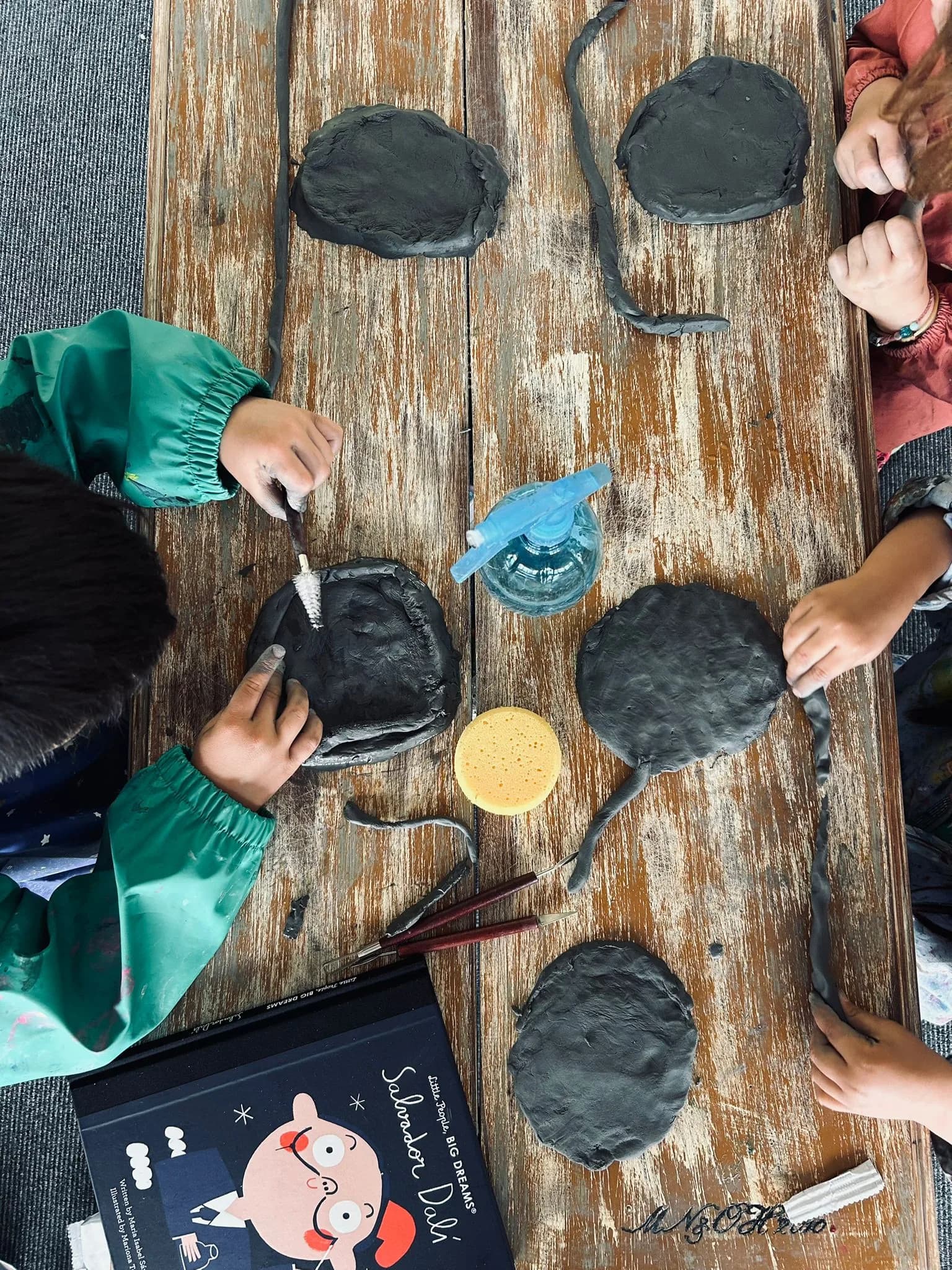
In the pottery area, children work with clay and natural materials through sculpting, shaping, and sensory exploration. Clay offers a direct connection between thought and form, allowing children to externalise inner ideas while refining fine motor control, concentration, and spatial awareness. This process supports self-regulation, patience, and embodied learning, as children experience transformation through their own hands.
Woodworking Area
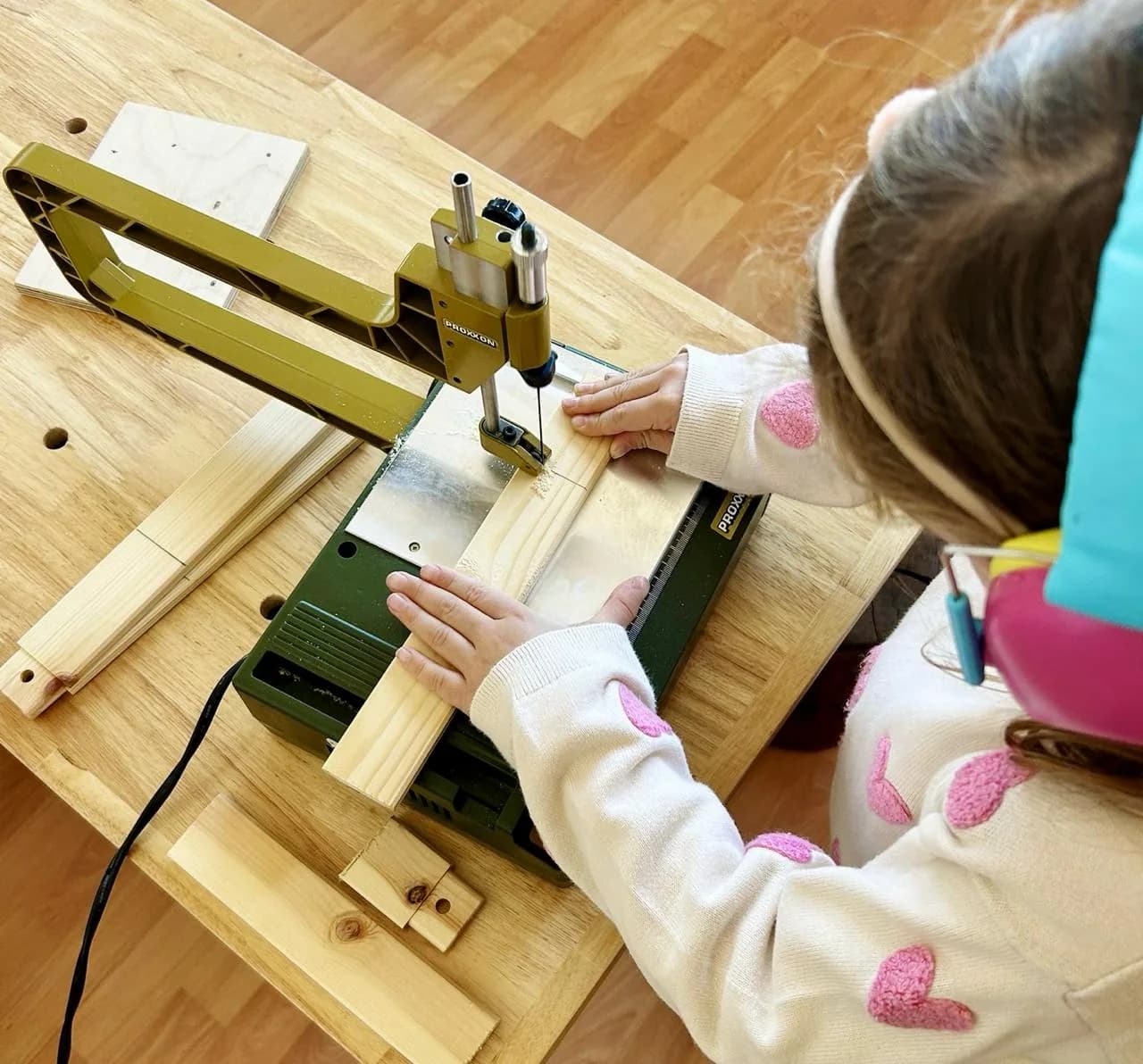
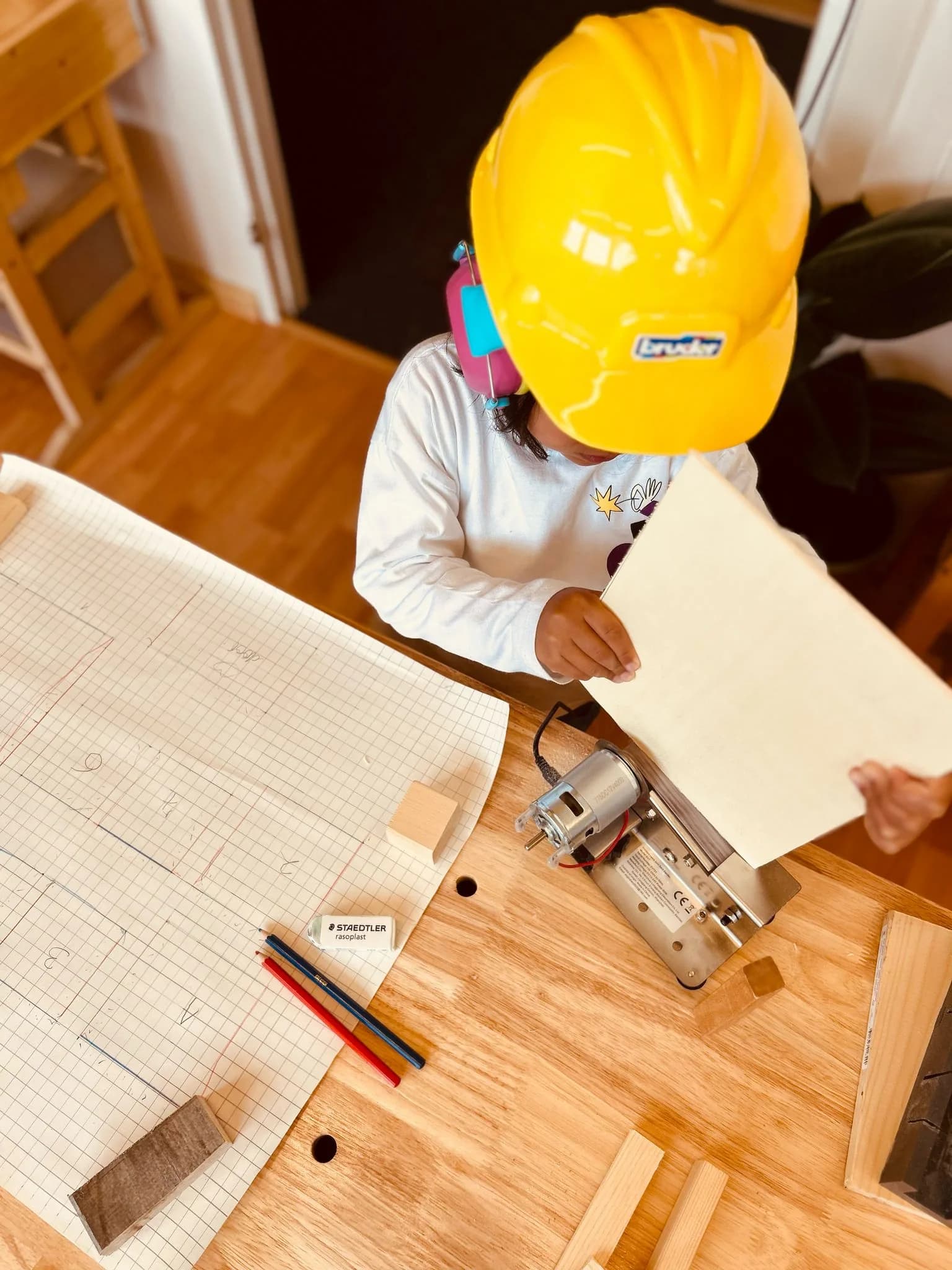
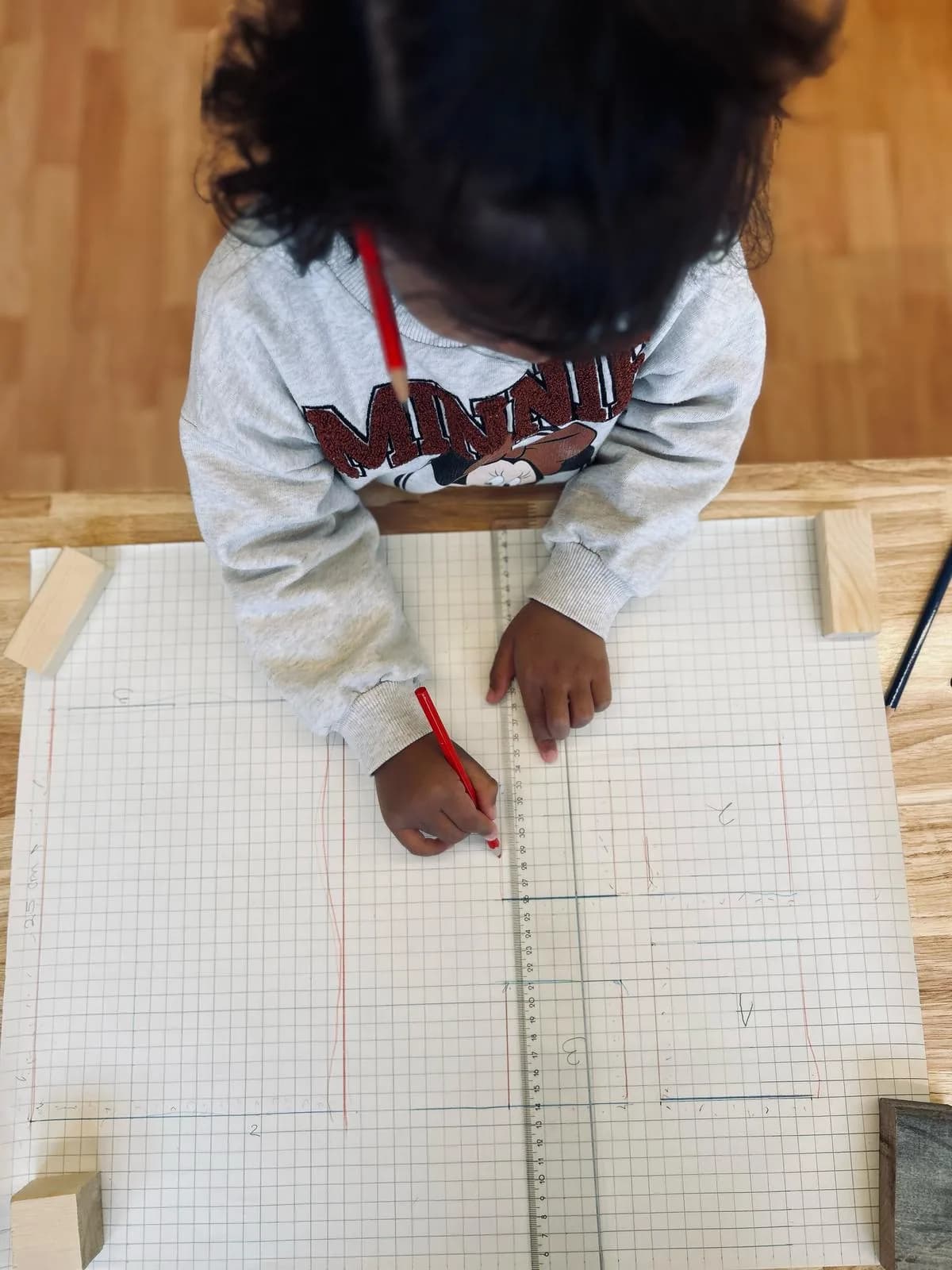
The woodworking area introduces children to real tools and authentic craftsmanship in a carefully prepared environment. Working with wood requires planning, precision, and adaptability, supporting executive functioning and problem-solving. Children experience a strong sense of agency and competence as they design, construct, and refine their work, developing both practical skills and confidence through meaningful effort.
Music Area
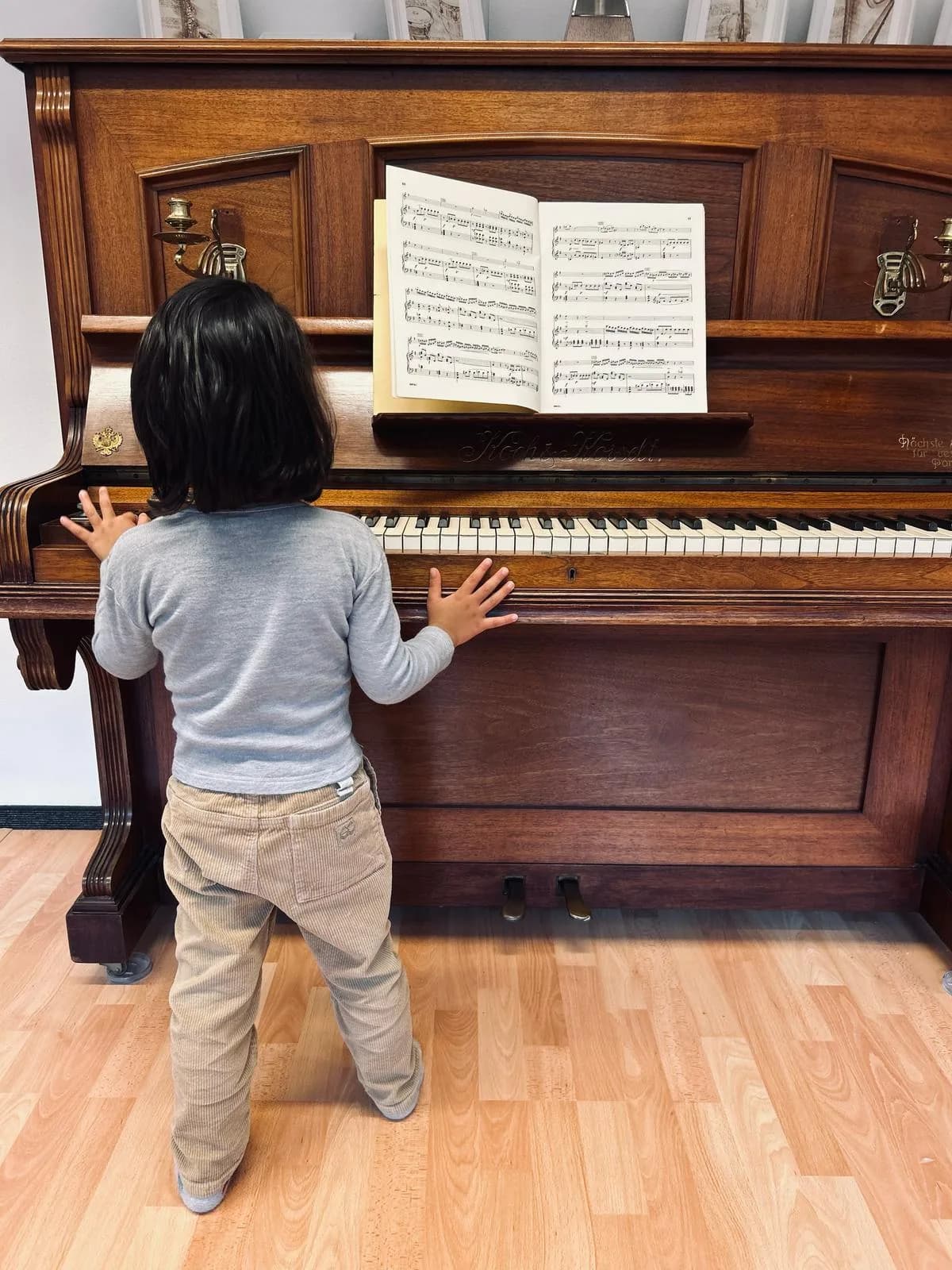
The music area invites exploration of rhythm, sound, silence, and movement as forms of communication. Through singing, improvisation, and instrument work, children develop auditory discrimination, coordination, and emotional expression. Music is approached as a language of its own, supporting neurological development, memory, and social attunement through shared experience and collective rhythm.
Project Area
The project area provides space for long-term, inquiry-based work inspired by art, nature, culture, and the children's own questions. Here, children engage in research, design, construction, and documentation, often integrating multiple disciplines. This area supports divergent thinking, collaboration, and sustained focus, allowing ideas to evolve over time and across multiple forms of expression.
Cherry Stone Room
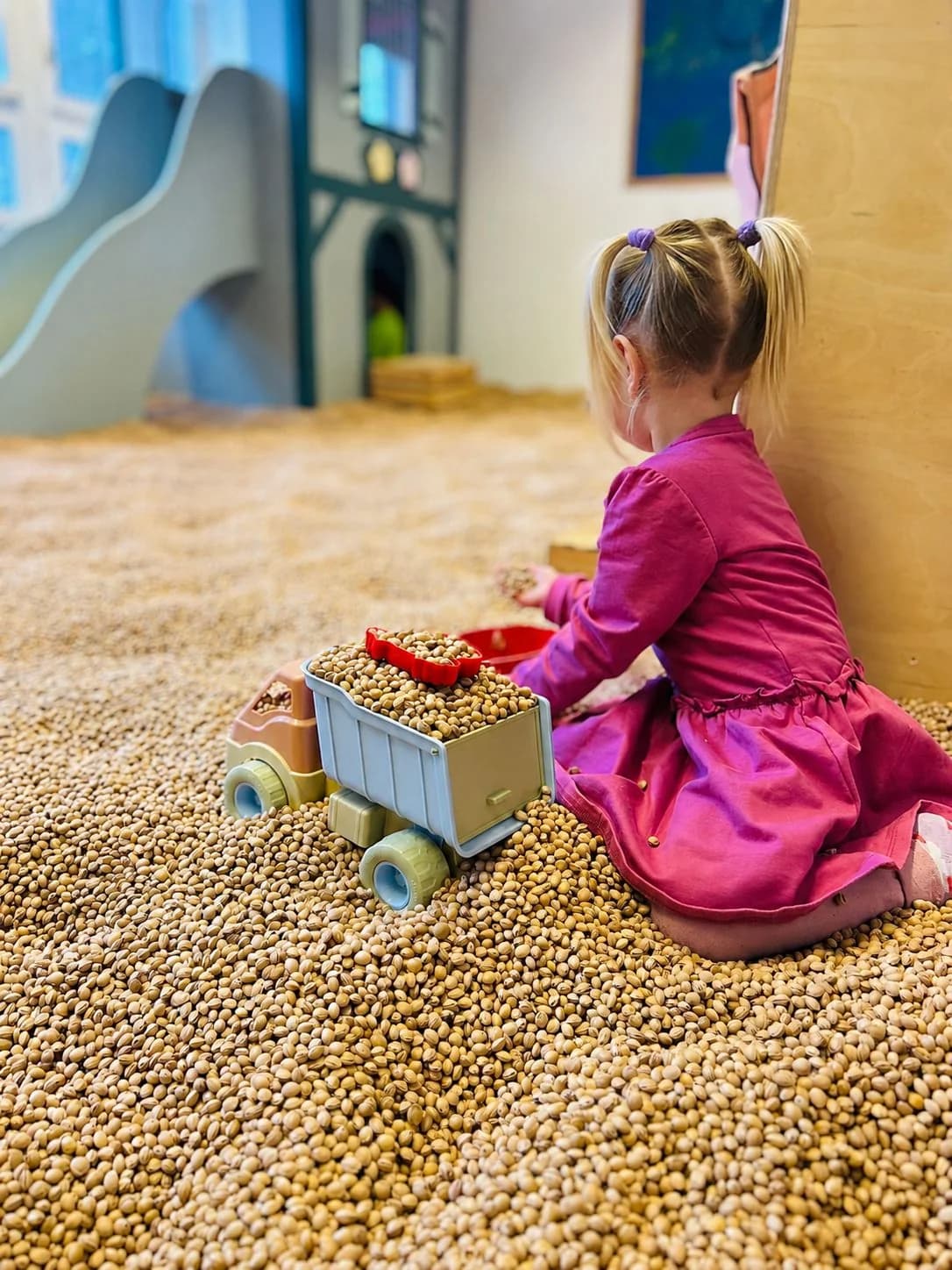
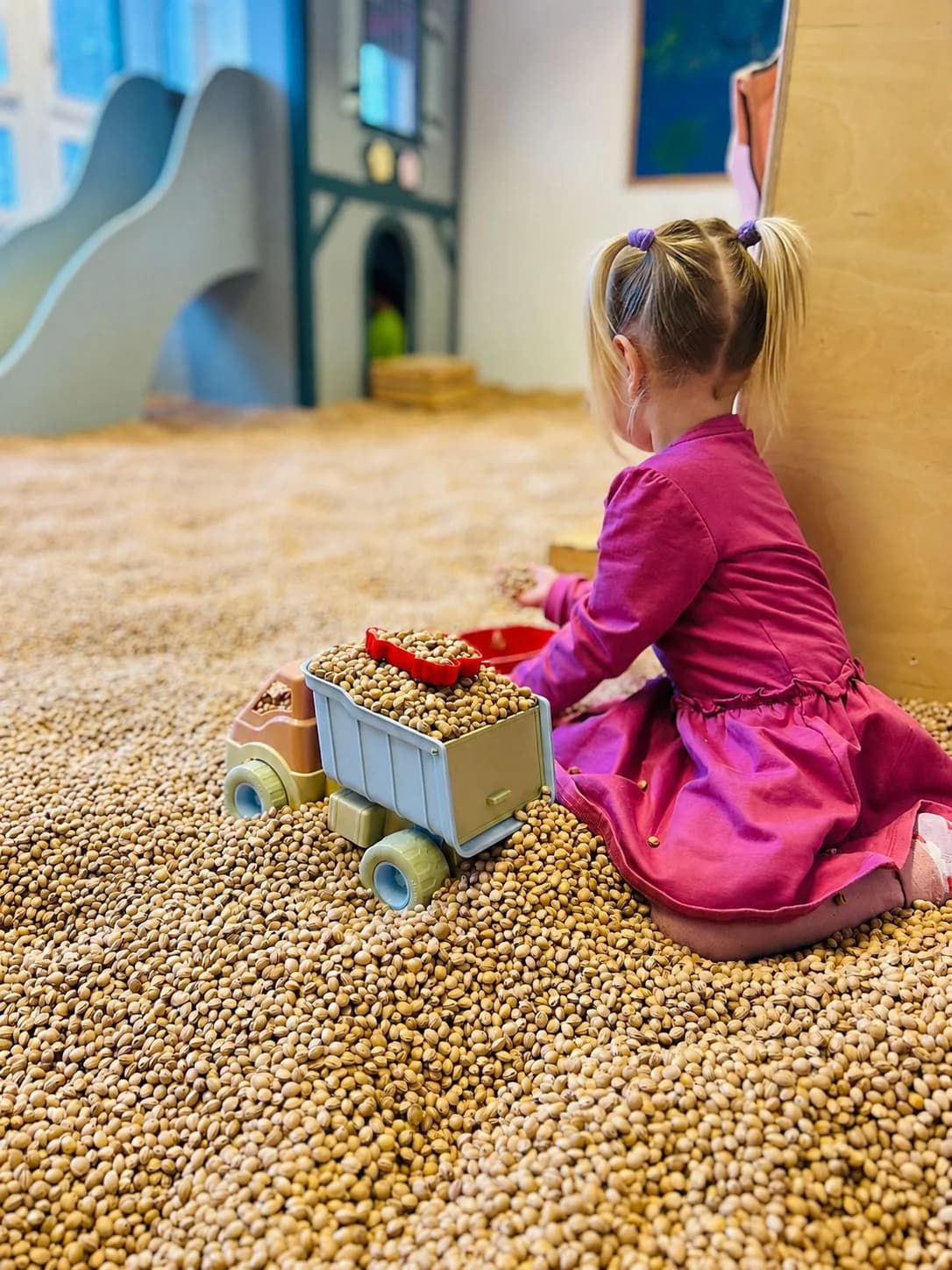
Filled with millions of smooth cherry pits, the Cherry Stone Room offers a unique sensory experience that supports nervous system regulation, relaxation, and emotional wellbeing through gentle, natural warmth and comforting texture. At Trinity Montessori, it creates a calming and engaging environment where children can feel settled, focused, and ready for learning. The immersive space also encourages imaginative play, creativity, building, exploration, and social interaction — supporting confidence, curiosity, and joyful hands-on discovery.
Bi-monthly
Artist Study Program
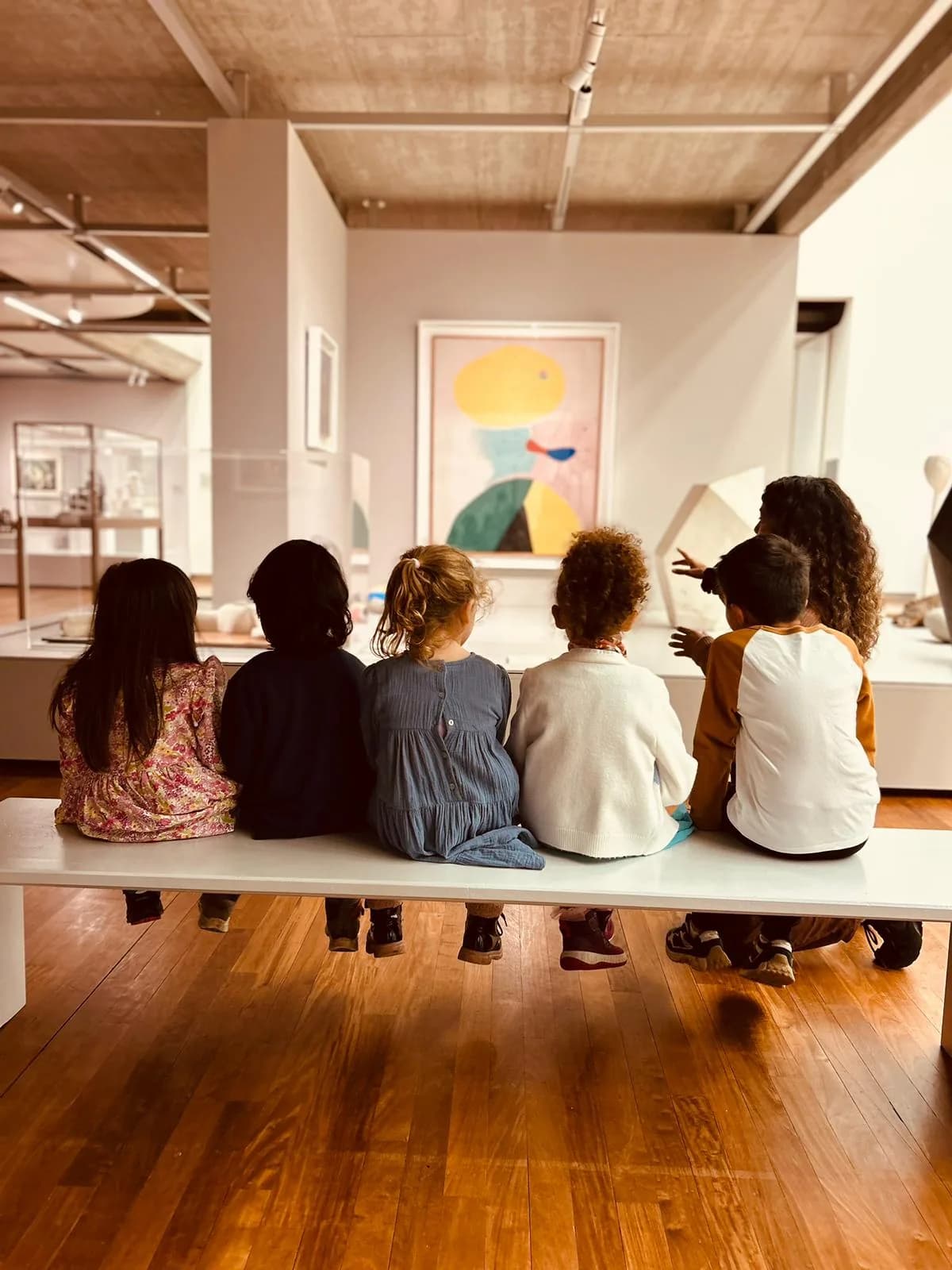
Every two months, children explore the life and work of a selected artist — such as Yayoi Kusama, Salvador Dalí, or Antoni Gaudí. This is a holistic, interdisciplinary learning experience that connects art with culture, history, and lived human experience.
Children engage with:
Artist biography & life journey — understanding who the artist was, their inspirations, and key moments in their development
Cultural context — exploring the artist's country of origin, traditions, architecture, and way of life
Cultural immersion — experiencing music, dance, food, and everyday cultural elements from that region
Art movements & concepts — introducing age-appropriate ideas such as Expressionism as a way of communicating emotion through colour, form, and gesture
Visual literacy — learning how to observe and interpret techniques, materials, and artistic choices
Process over product
The focus is not on copying artworks, but on understanding processes and developing personal expression:
Exploring ideas through 3D work — clay, wood, sculpture, construction
Translating understanding into 2D work — painting and drawing on canvas
Free exploration, using a wide range of natural and artistic materials
This progression supports both sensory and conceptual learning, allowing children to move from observation to interpretation to independent creation.
The program fosters:
Creativity and imagination
Cultural awareness and empathy
Critical and visual thinking
Confidence in self-expression
A deep, meaningful relationship with art history and artistic language
Atelier Pedagogy
Grounded in Constructivist & Experiential Learning
The atelier is grounded in constructivist and experiential learning theory, as well as influences from atelier-based pedagogy and child-led artistic exploration. It recognises the child as a capable, expressive learner who constructs meaning through interaction with materials, environment, and others. Inspired by Arno Stern's child-led, non-evaluative approach and Joseph Cornell's poetic use of nature, the studio fosters autonomy, creativity, and deep engagement, while strengthening cognitive, emotional, social, and motor development in an integrated way.
Inside the Studio
A glimpse into the spaces where Trinity children create.
Nature & Outdoor
Forest & Nature
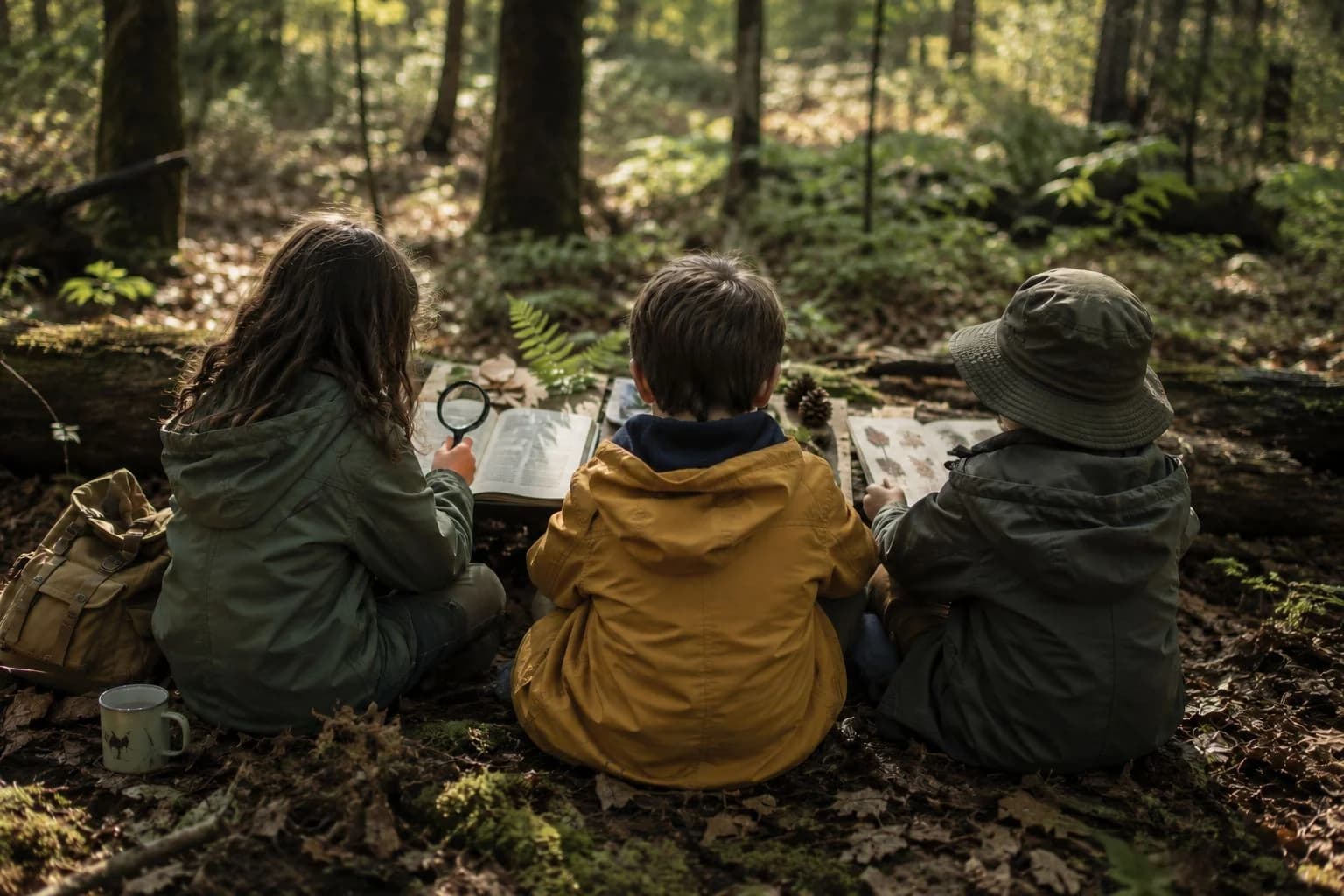
Inspired by Joseph Cornell's nature pedagogy. Rain or shine, snow or sun, children head into the Swiss forest to play in streams, climb trees, cook outdoors and build snowmen when winter arrives. Academics live outdoors too: leaf shapes, water temperatures, habitats, measuring, observation.
Forest Excursions
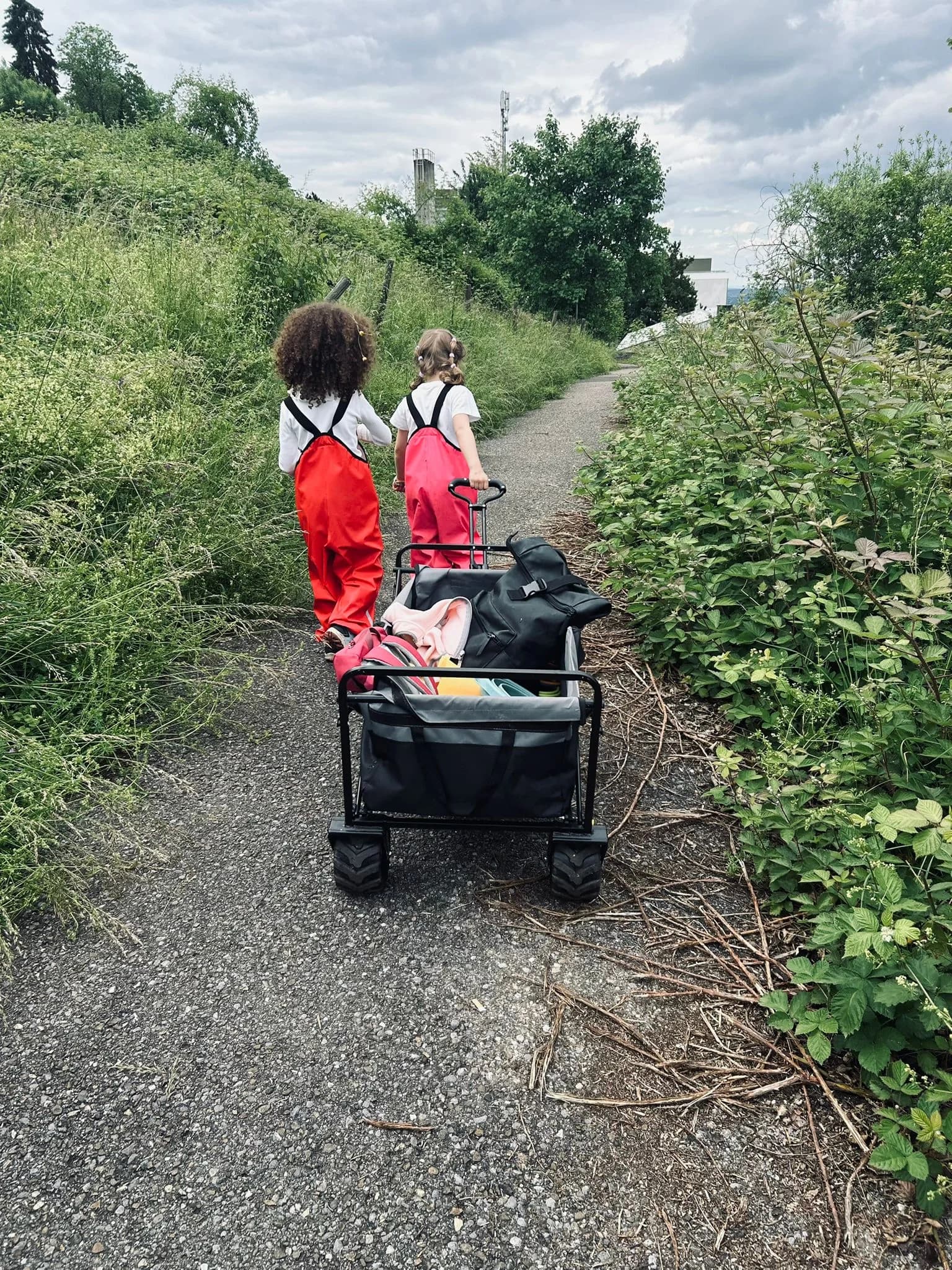
Children pack a wagon with tents, tarps, swings, and buckets, then head into the forest for exploration, building, and discovery.
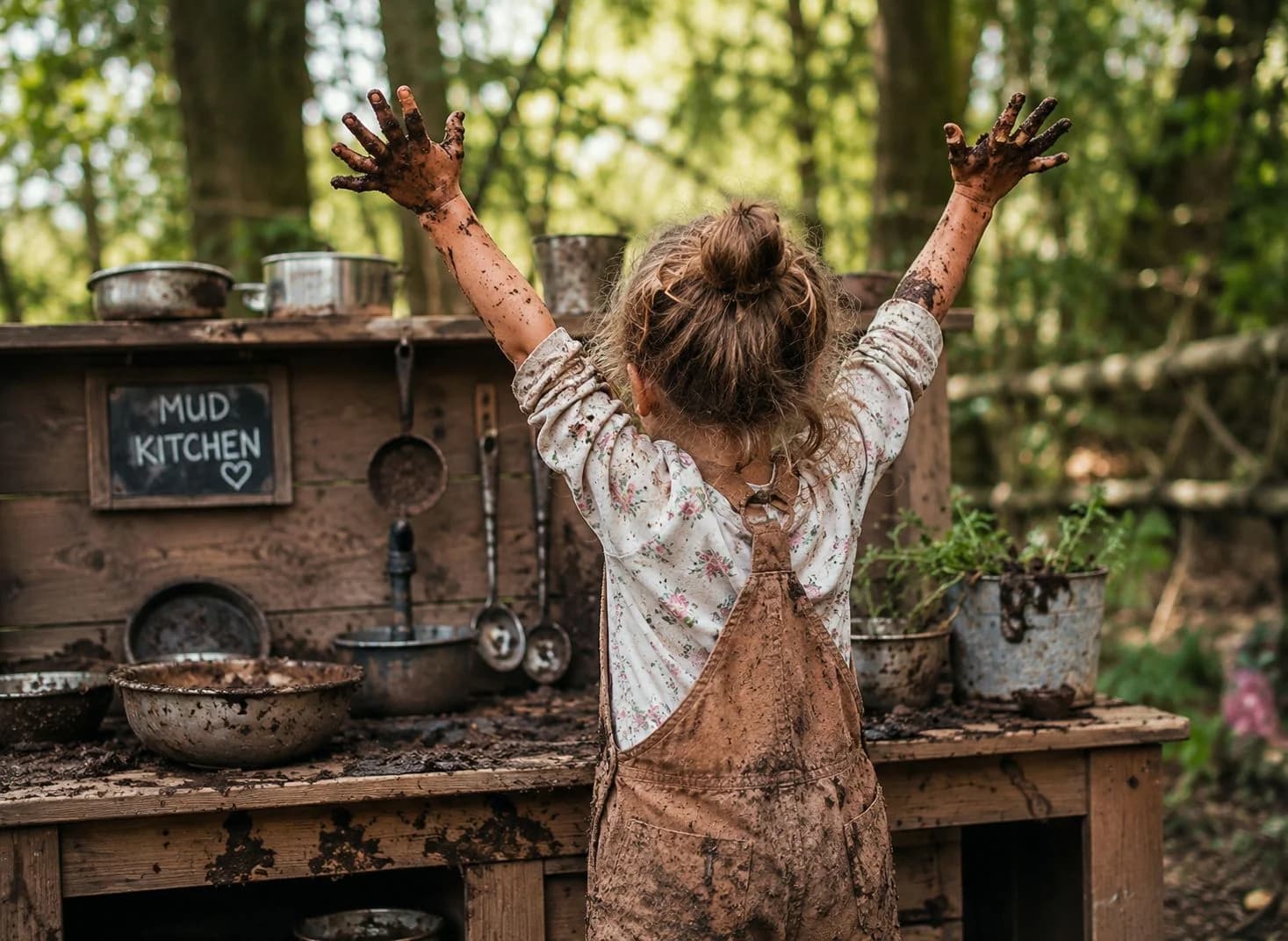
Mud Kitchen
An outdoor messy play and cooking space where children experiment with natural materials — water, mud, leaves, and stones.
Vegetable Gardens
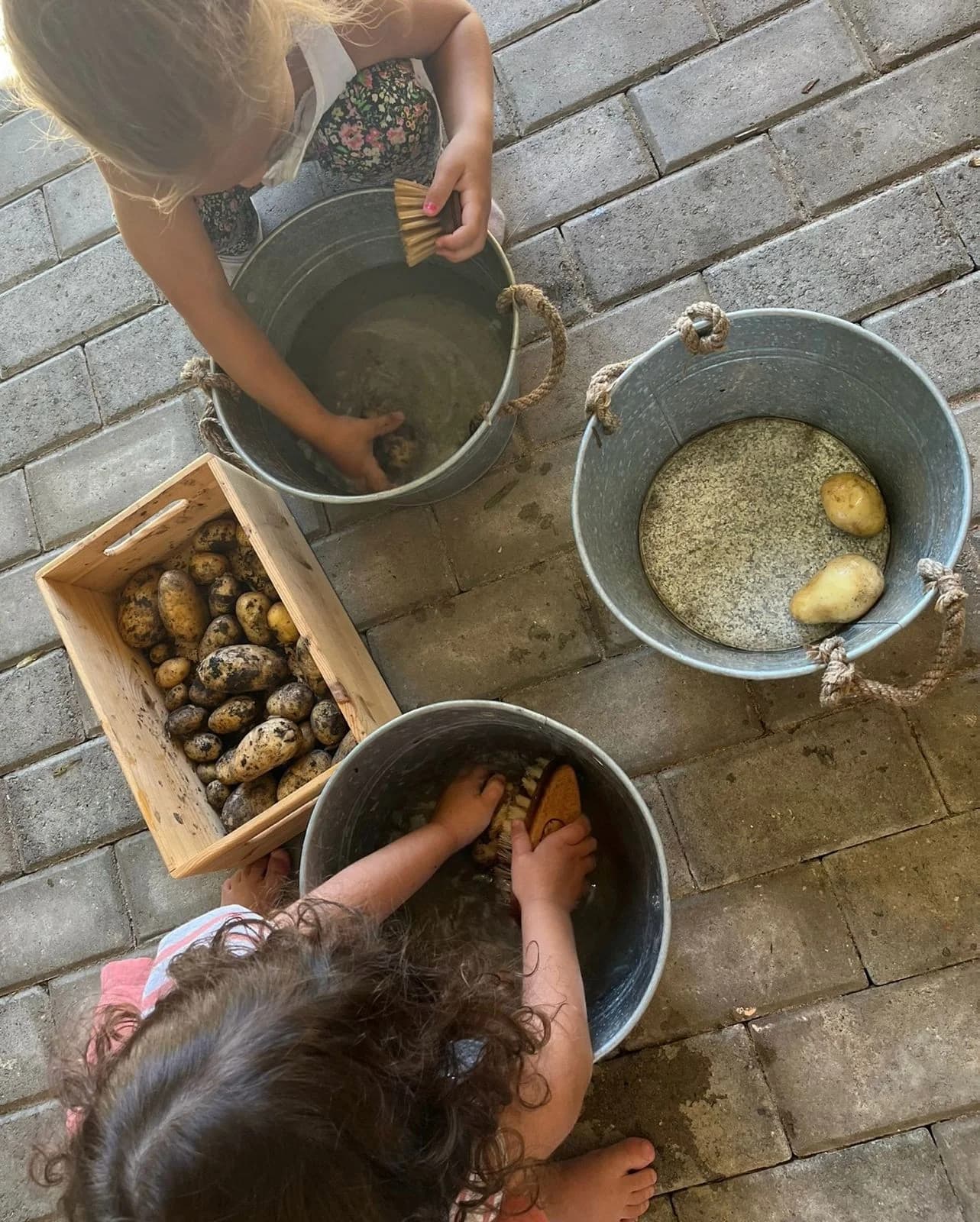
Multiple levels of raised garden beds, including an upper garden. Children plant, tend, harvest, and cook what they grow.
Outdoor Learning
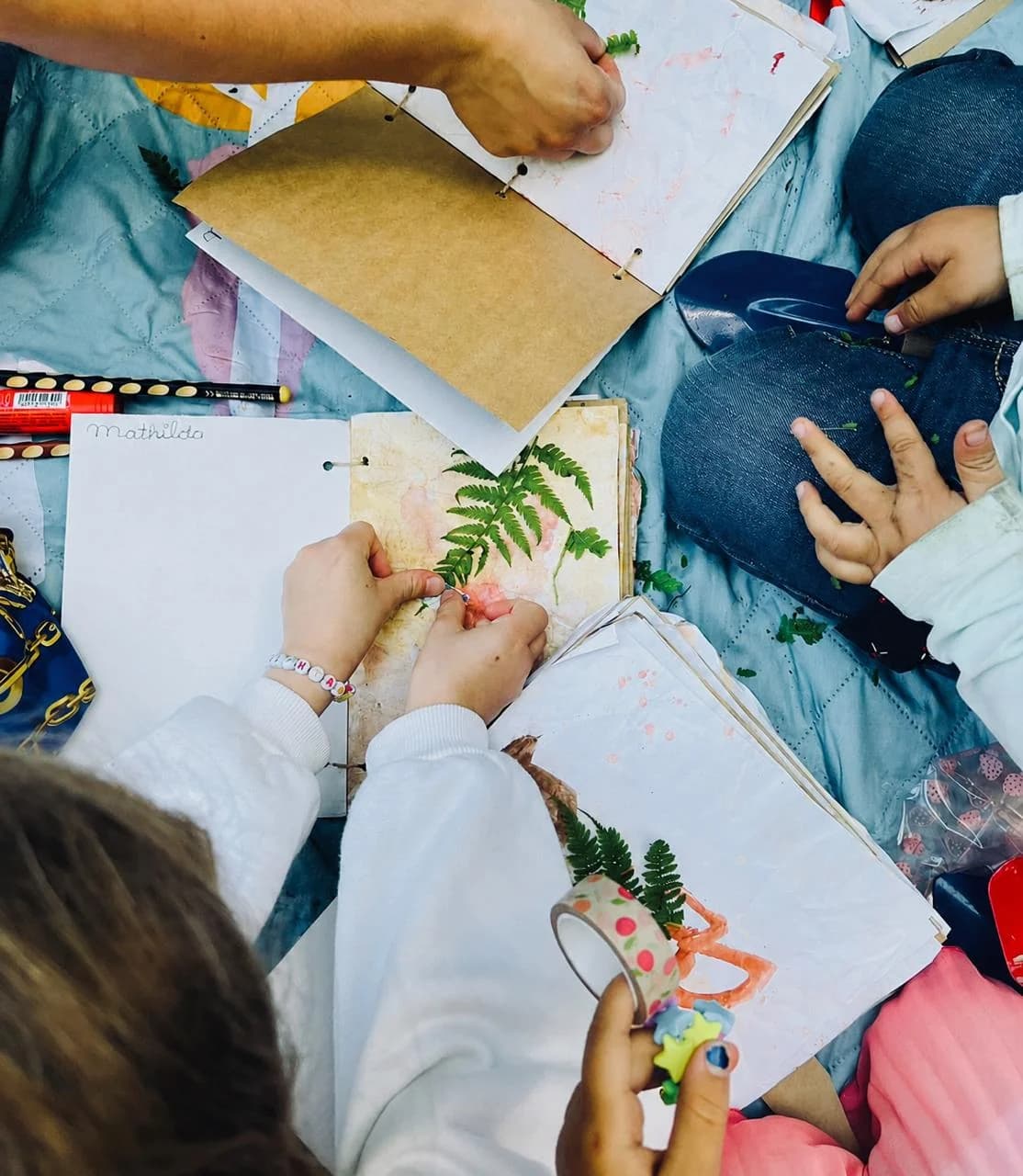
Trinity Montessori transforms the forest into a living classroom. Children measure water temperatures, study leaves and animal tracks, observe seasonal changes, keep nature journals, build shelters, and explore the natural world through hands-on discovery. Guided by curiosity and real experiences, they develop scientific thinking, resilience, creativity, and a deep connection to nature.
Our nature curriculum alternates weekly with the art curriculum — Week A: Forest & Nature, Week B: Art Studio — ensuring children experience both throughout the year.
Yes, We Have Animals!
Our School Animals
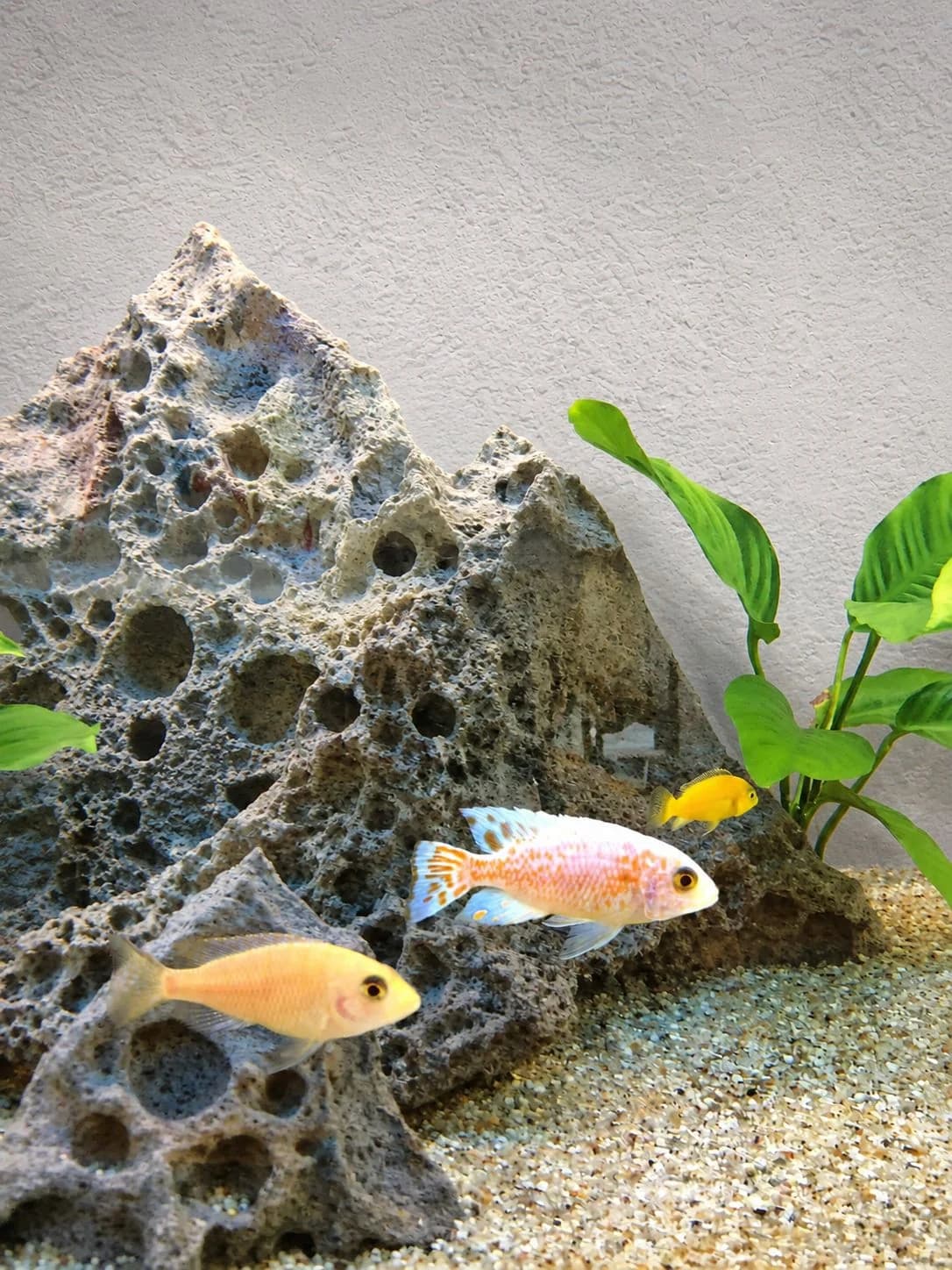
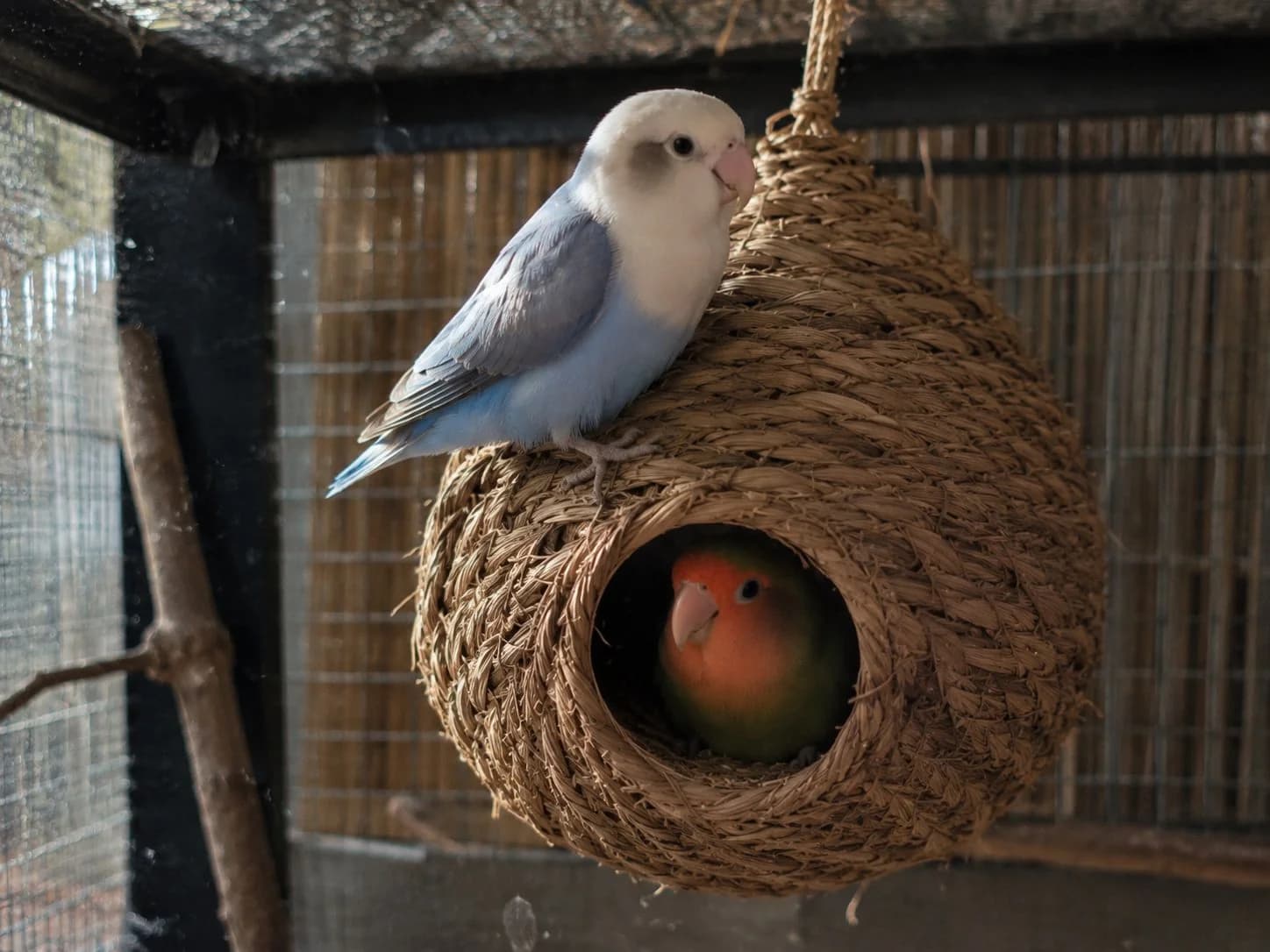
School dogs, axolotls, fish and birds — at Trinity, animals are an integral part of the learning environment. Through daily interaction and shared responsibility, children develop empathy, emotional intelligence, social awareness, and a deep sense of care and respect for living beings. Living alongside animals provides meaningful opportunities to practice responsibility, cooperation, and gentle communication.
🐕
School Dogs
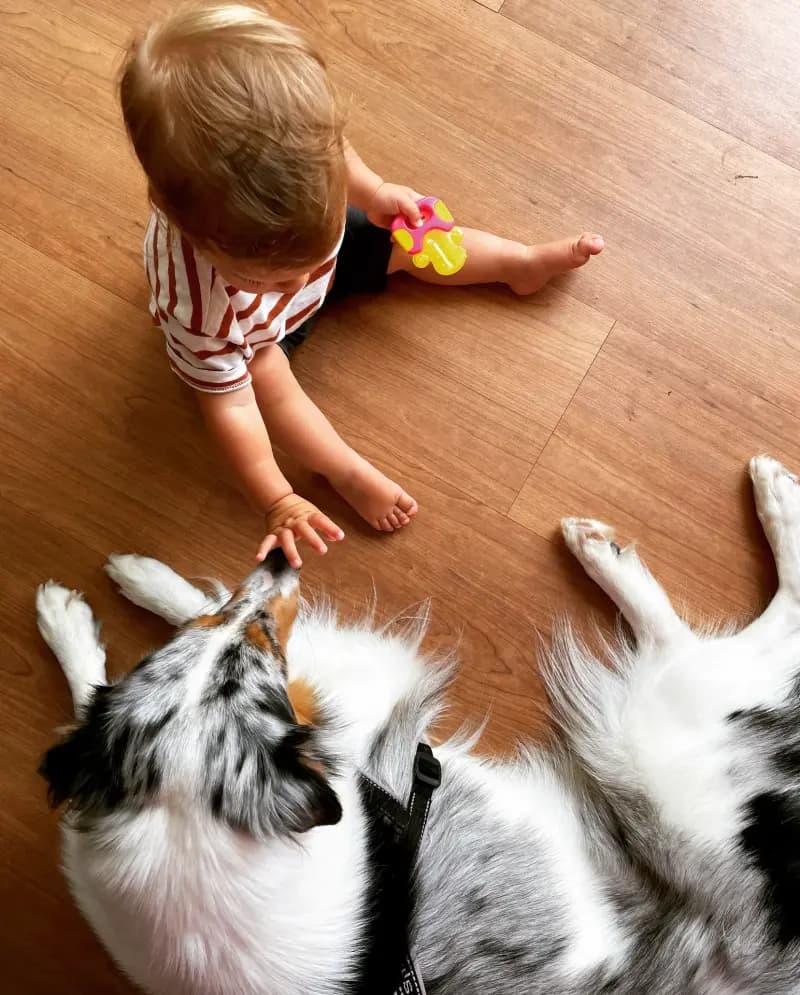
Our gentle school dogs are always present — joining circle time, offering comfort as loyal companions when a child needs a cuddle or faces a challenging task, or simply walking alongside the children through the forest. Through these daily interactions, children learn how to approach animals with respect, calmness, and confidence. A daily lesson in empathy.
🦎
Axolotls
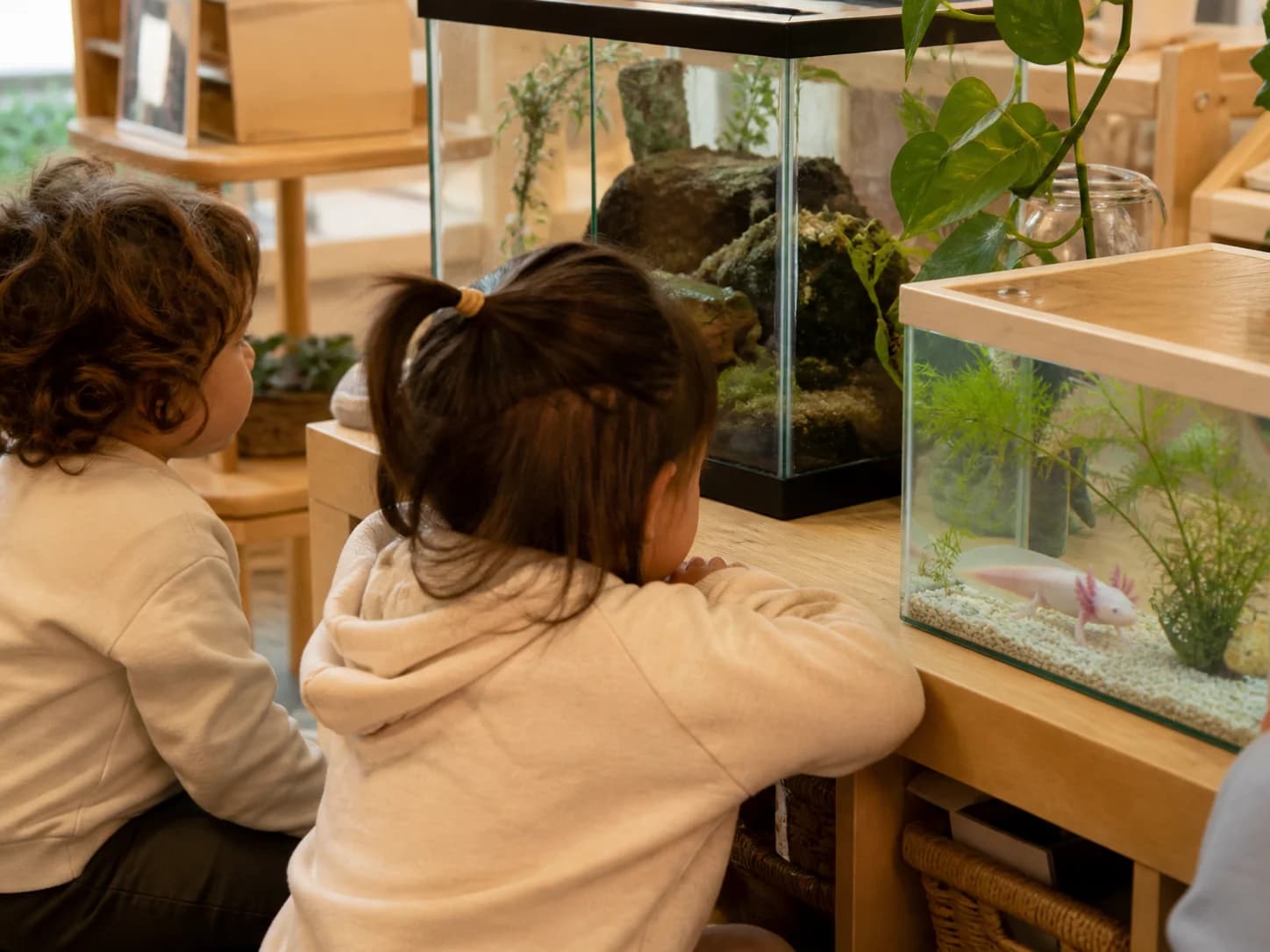
Our axolotls bring a sense of wonder to the classroom. Children observe their unique features — gills that look like a crown, the ability to regenerate — and learn about aquatic habitats and biodiversity. A daily reminder of how strange and beautiful the natural world is.
🐠
Fish
Even our youngest children in the Toddler environment are captivated. The fish tanks are a source of wonder and calm — children spend long moments watching, pointing, and discovering the underwater world.
🐦
Birds
Our birds add their song to the rhythm of the day. Children learn to recognise different calls, observe feeding habits, and care for the cage — practising gentleness, patience, and quiet attention, while also having the rare opportunity to observe the laying of an egg, bringing wonder and real-life biology into their daily experience.
“In Montessori education, learning happens through three teachers: the adult, the child, and the environment. The adult guides, the child explores, and the thoughtfully prepared environment fosters independence, curiosity, and discovery.”
Discover Our Spaces
The best way to understand our environments is to experience them firsthand. Book a tour and see how every space supports your child's natural development.
We use cookies for analytics and marketing (Google Analytics & Google Ads) to understand how our site is used and to measure our advertising. These cookies are only set if you accept — you can change your choice anytime via "Cookie Settings" in the footer. Learn About Our Cookie Policy