
The AMI Montessori Method
The only globally accredited Montessori standard — founded by Dr. Maria Montessori herself to protect the integrity of her revolutionary approach to education.
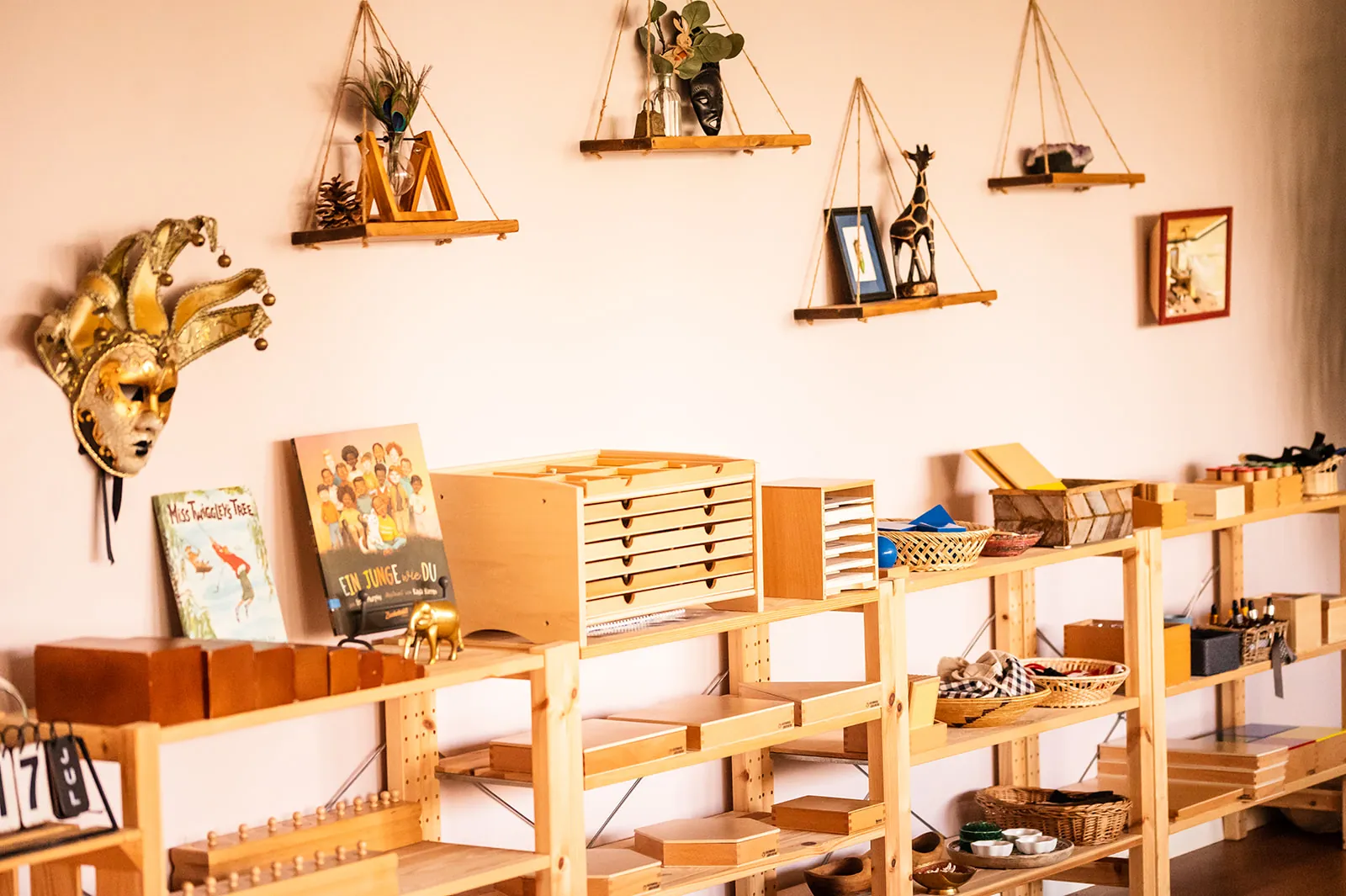
Dr. Maria Montessori
From one of Italy's first female physicians to a global educational revolution — the story of a method that changed how we understand children.
Among Italy's first Female Physicians
Dr. Maria Montessori was among the first women in Italy to earn a medical degree, graduating from the University of Rome in 1896. As a woman, she struggled to find work and was assigned to a hospital working with children and teenagers with disabilities.
Every Child has Value
Working with children others had given up on, she discovered that no matter what disability a child had, there was always something they could do that gave their life meaning. She pushed them to garden, cook, clean, and build.
Casa dei Bambini, Rome
Hired to manage 40 children in Rome's slums during a demolition project, Montessori created a self-sustaining community. Children wrote grocery lists, cooked, cleaned, and gardened. Their concentration grew from practically zero to sustaining focus for an hour on challenging tasks.
The Exam that Shocked Rome
Her children took a mandatory exam with zero fear. They scored equal to or higher than Rome's most prestigious private schools. When questioned, Montessori proved each child's work was unique — genuine understanding, not memorization.
Global Expansion
A glass classroom in San Francisco let audiences observe children learning in real-time. Montessori education spread worldwide, with teachers traveling to train under her guidance.
AMI is Founded
When teachers began cherry-picking her method — skipping foundational work for faster results — outcomes suffered. Unable to copyright "Montessori" (it had become colloquial), she founded AMI (Association Montessori International) as the only guarantee of authentic implementation.
The Rise of Fascism
In 1933, the rise of fascism in Germany led to the closure of Montessori schools, as their focus on independence and free thinking conflicted with the regime's ideology. By 1936, they were officially banned. In Italy, Dr. Maria Montessori refused to align her schools with the fascist youth movement, leading to a similar ban. Closures soon spread across Spain, Austria, and other occupied countries. Montessori education only re-emerged after the war, once these regimes had fallen.
War & Exile
Exiled to India, Montessori worked with Mahatma Gandhi, who believed that the Montessori method was the most peaceful way of learning because it follows the child's interests rather than forcing a system.
Nobel Peace Prize Nomination
First nomination for the Nobel Peace Prize with further nominations in 1950 and 1951.
Serendipity Montessori is founded
Serendipity Montessori School opens its doors in Zollikon by Lake Zürich — bringing the AMI standard to the Zürich area with a bilingual EN/DE program for children from 3 months to 9 years.
Trinity Montessori is founded
Trinity Montessori opens in Horgen — a sister school to Serendipity, sharing the same AMI philosophy and bilingual approach in a different setting above the lake.
True Concentration vs. Forced Concentration
Hands-On Focus, Not Busy Work
This is what sets AMI Montessori apart from the traditional approach — and why our children approach exams without anxiety.
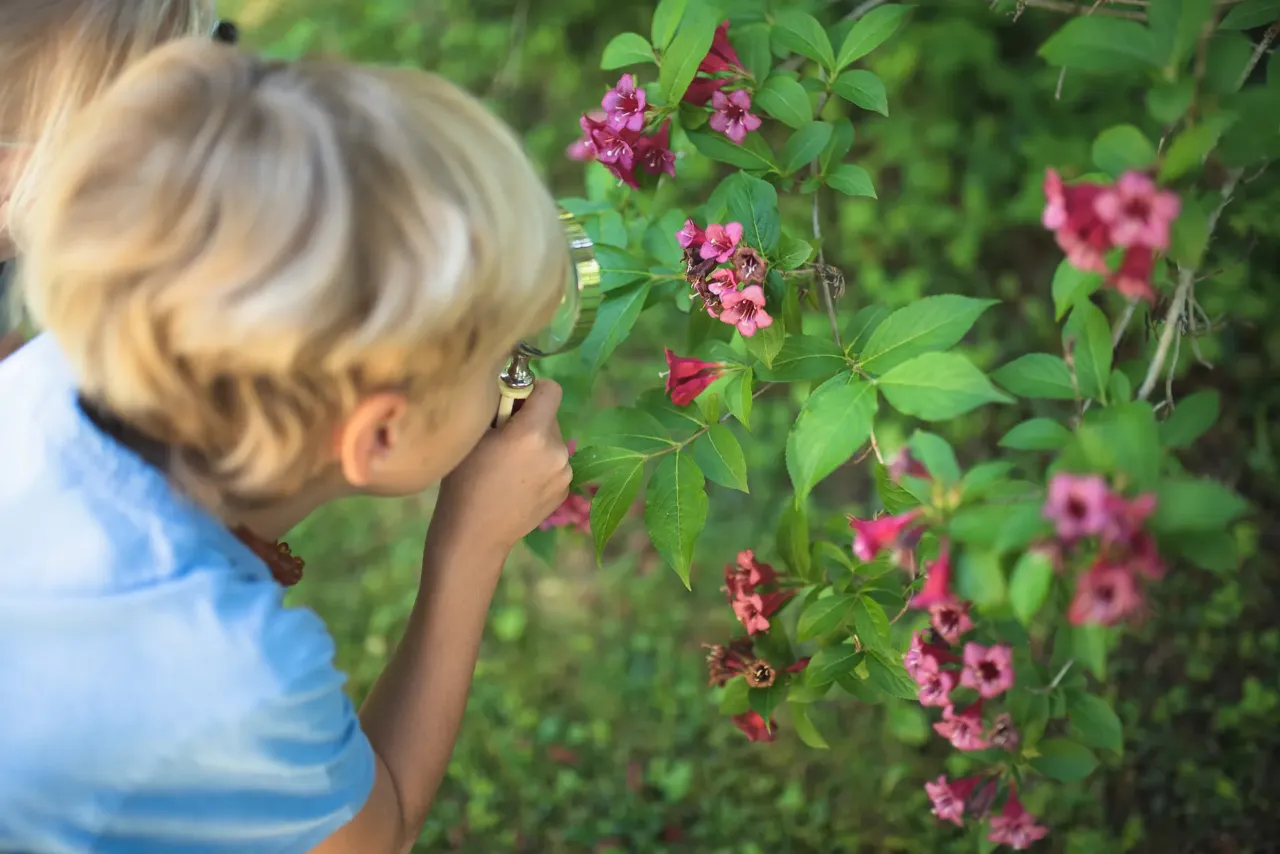
Forced Concentration
- Results from doing more and more workbook pages for longer periods of time
- Concentration without depth — the child works without truly understanding
- Not self-directed but imposed from the outside
- No real exploration of cause and effect
- Does not lead to the deep concentration that serves as a foundation for further learning
- Fosters neither independence, perseverance, nor a love of learning
True Concentration
- Grows from hands-on, purposeful experiences like cooking, gardening, building, and sewing
- Children explore cause and effect through their own actions
- Materials provide "control of error" — the child can self-correct without adult intervention
- Motor skills are refined through practical activities
- Repeated, meaningful practice builds focus and confidence
- The child develops the mindset: "I understand the concept, I can figure out the steps, I want to keep going and master this"
- Even two-year-olds can sustain attention for an hour on challenging, self-directed tasks
- Forms the foundation for academic learning — a child who can fully focus can engage with any subject and truly absorb it
- Fosters independence, perseverance, and a lifelong love of learning
- Even "messy" activities are valuable because they offer real, purposeful experiences
“They didn't fear forgetting a formula or generally failing — they knew they could figure it out by understanding the process, rather than memorizing steps, and said, "I'm going to do my best."”
Control of Error — Empowering Independent Learning
In Montessori, materials are designed so children can discover and correct their own mistakes without adult intervention. Feedback is built into the work itself—silent, immediate, and clear—helping children develop independence, encouraging trial and error, building confidence, and problem-solving skills.
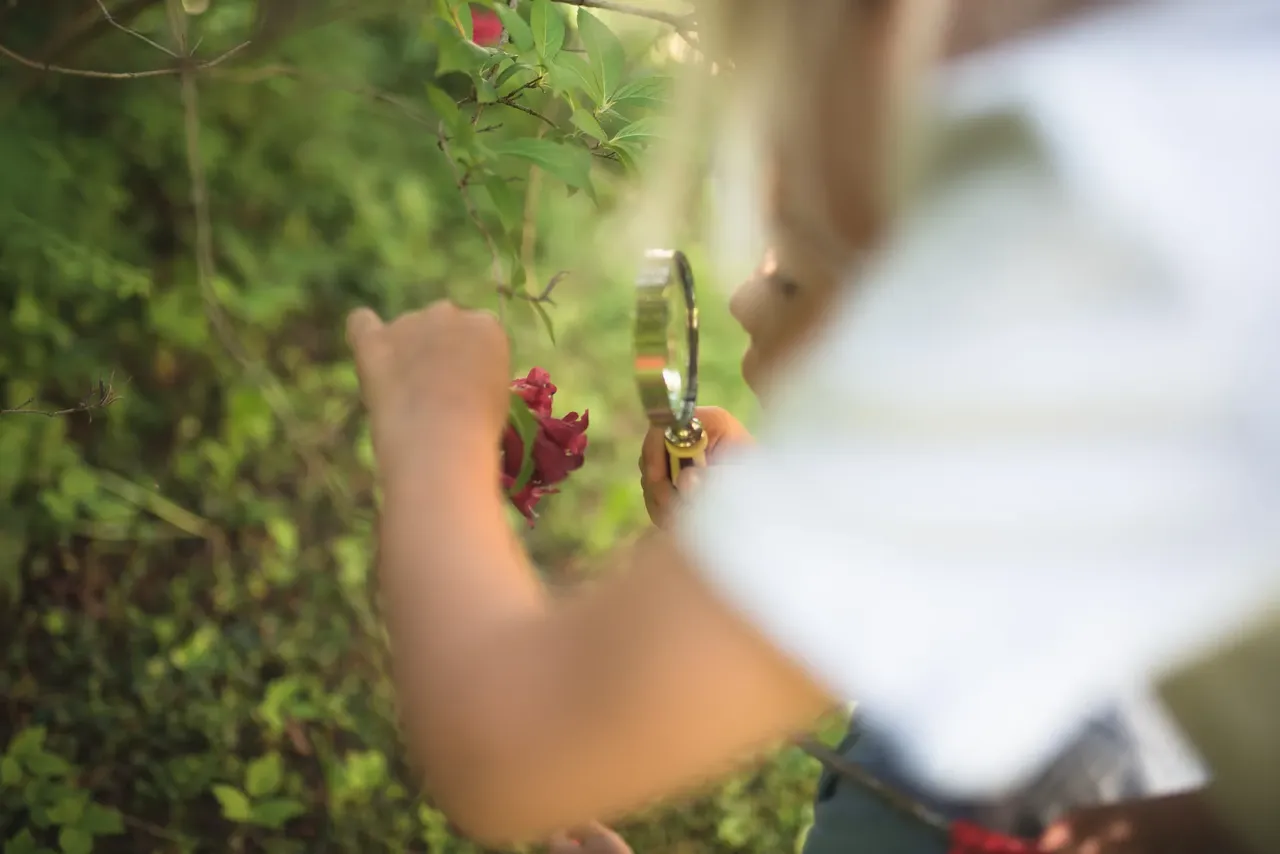
Pink Tower — Precision and Order
Stacking cubes from largest to smallest shows children how size and order affect stability. If the tower isn't perfectly aligned, it can fall, or seem visually unbalanced - children can adjust it themselves. This hands-on experience builds focus, attention to detail, coordination, and problem-solving skills.
Porcelain Dishes — Care and Responsibility
Children use real, fragile dishes. Sometimes dishes break, and that's okay! They can take action to fix or clean up safely, which teaches responsibility. Experiencing natural consequences also encourages slower, more careful movements and helps children see the value of mindful action.
Sound Cylinders
Children shake two sets of cylinders to match the different sounds. A visual cue on the bottom allows them to check their own work independently. At first, matching the sound is the goal; later, through experience and growing comfort with errors, true creativity emerges — for example, discovering how to grade sounds from loudest to softest.
Baking or Cooking
When a child forgets an ingredient, like baking powder, the cake doesn't rise as expected. By letting these natural consequences happen without interference, children gain a full understanding of cause and effect. This fosters careful observation, attention to sequence, and planning.
Spindle Box
The children distribute wooden spindles into a box with sections, according to the number above each section: three spindles by the number three, five spindles by the number five and so forth. At the end, the children find out whether they have extra spindles or whether they still need some spindles. The children also gain exposure to zero - no spindles needed.
Interpersonal Skills
Even when caring for the animals on campus, the children practice reading cues and adjusting their own behaviour, volume, and speed of movement based on the feedback of the others. For example, with our school dog children practice walking slowly and using a soft voice as they approach. A dog who feels safe stays calm and may come over for a gentle pat. This way the child gains immediate feedback: if I am calm, the dog feels calm.
Why This Matters
When an adult constantly corrects a child, the child learns to look outward for confirmation. Over time, they stop trusting their own perception. When the material carries the correction, the child learns to look inward. They observe. They notice. They adjust. They build genuine self-trust — and errors become neutral information, not emotional events.
“What matters is not correction itself, but that each individual should become aware of his own errors.”
900+
900+ Sequential Activities
The primary classroom contains over 900 carefully sequenced activities across four curriculum areas. Each activity connects to the next — children always know their next step.
Due to the in-depth curriculum and interest-based learning, children experience the opportunity to progress at their own pace, often resulting in advancement beyond the regular school system in one or several areas.
Practical Life
The foundation — cooking, cleaning, sewing, polishing. Where true concentration is born.
Sensorial
Exploring the world through taste, sound, texture, weight, and temperature.
Mathematics
From golden beads to long division — concrete to abstract, hands-on always.
Language
Sandpaper letters to bilingual reading — phonetic foundation to full literacy.
In Her Own Words
Insights from our co-founder and AMI teacher.
“Every human has value.”
“You can't not put in the work but want the results. Nothing works if you have no foundation.”
“These three-year-olds focus for an hour on a challenging task.”
“I understand the concept of things. If I understand the concept, I can figure out the steps.”
— Ms Zoe, Co-Founder & AMI Teacher
Experience It Firsthand
The best way to understand the Montessori method is to see it in action. Book a tour and watch children learn with joy, focus, and independence.